Tianyi Sensor IOT Technology Co., Ltd
Sales Manager:Ms. Emily Wang
Cel,Whatsapp,Wechat:+86 15898932201
Email:info@fengtutec.com
Add:No. 155 Optoelectronic Industry Accelerator, Gaoxin District, Weifang, Shandong, China


Sales Manager:Ms. Emily Wang
Cel,Whatsapp,Wechat:+86 15898932201
Email:info@fengtutec.com
Add:No. 155 Optoelectronic Industry Accelerator, Gaoxin District, Weifang, Shandong, China
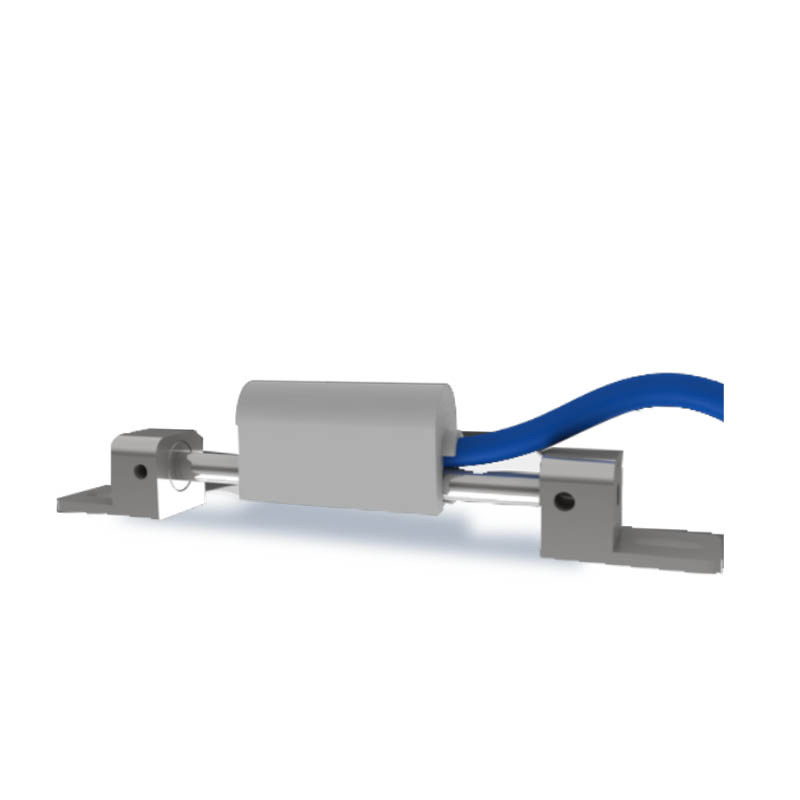
Model:FT-YB1
Brand:tianyi
1.Surface Mounted Strain Gauge product overview
Surface Mounted Strain Gauge is designed for surface mounting to measure strain in a wide range of media including steel and concrete.The strain gauge is mainly installed on various structural surfaces such as pipelines, pile foundations and bridges, and measures the strain value of the surface of the structure.The built-in simulated temperature sensor can measure the temperature of the layout point simultaneously and is used for temperature correction of the surface strain gauge.
2.Surface Mounted Strain Gauge application scenarios
Bridges, tunnels, rail transit, water conservancy, buildings
3.Product features of Surface Mounted Strain Gauge
1.Adopt imported steel string design, with the advantages of high sensitivity and accuracy, good linearity and stability
2.Use hydraulic cables to meet the long-term monitoring environment for hydraulic buildings.
3.Built-in temperature sensor for easy temperature compensation
4.Stainless steel shell design, with characteristics such as compression resistance and radial force resistance
4.Surface Mounted Strain Gauge Technical Parameters
Gauge distance L: 100mm
Resolution: ≤0.2% FS
Temperature measurement accuracy: ±0.5℃
Water pressure resistance: ≥0.2 Mpa
Insulation resistance: ≥50MΩ
Temperature measurement range: -20℃~+70℃
Dimensions: 174*26*38mm
Strain measurement range: Tensile: 3000με; Compression: 3000με
A Negative Oxygen Ion Monitoring Station is a professional set of equipment used to monitor the number of negative oxygen ions in the air in real-time. It records the activity status of negative oxygen ions in the air through specific sensors, then converts these statuses into readable values via a...
Stainless Steel Tipping Bucket Rain Gauge employs a standard Φ200mm diameter aperture and a bistable tipping bucket structure. Each bucket triggers tipping when it receives 0.2mm of rainfall. It supports Modbus 485 signal output and ±2% measurement error, making it suitable for monitoring li...
The Automatic Monitoring Instrument for Runoff Sediment is an integrated device designed for automatic and real-time measurement of sediment concentration and water volume in surface water flow. It replaces traditional manual measurement methods, enabling continuous 24/7 monitoring. The complete sys...
The FT-WQX6 Micro Weather Sensor is a multi-functional automatic weather station developed by our company, leveraging years of experience in meteorological product development and addressing practical on-site application requirements. It directly integrates six key meteorological elements: temperatu...


 Get a Free Quote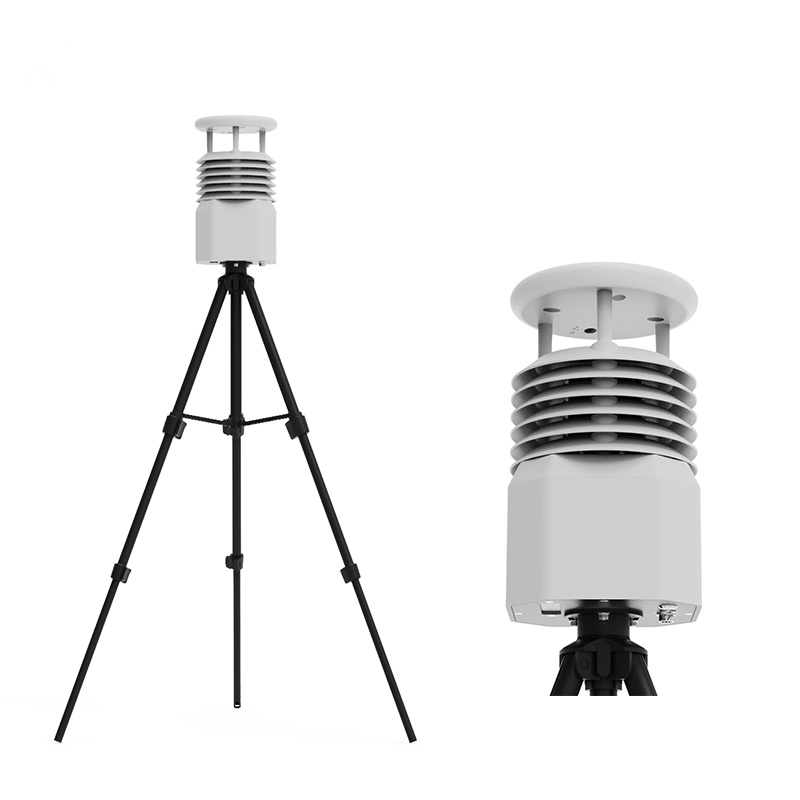
 Skype
Skype
 whatsapp
 mail
mail