Tianyi Sensor IOT Technology Co., Ltd
Sales Manager:Ms. Emily Wang
Cel,Whatsapp,Wechat:+86 15898932201
Email:info@fengtutec.com
Add:No. 155 Optoelectronic Industry Accelerator, Gaoxin District, Weifang, Shandong, China


Sales Manager:Ms. Emily Wang
Cel,Whatsapp,Wechat:+86 15898932201
Email:info@fengtutec.com
Add:No. 155 Optoelectronic Industry Accelerator, Gaoxin District, Weifang, Shandong, China
time:2025-09-04 09:09:12 source:Weather Station viewed:327 time
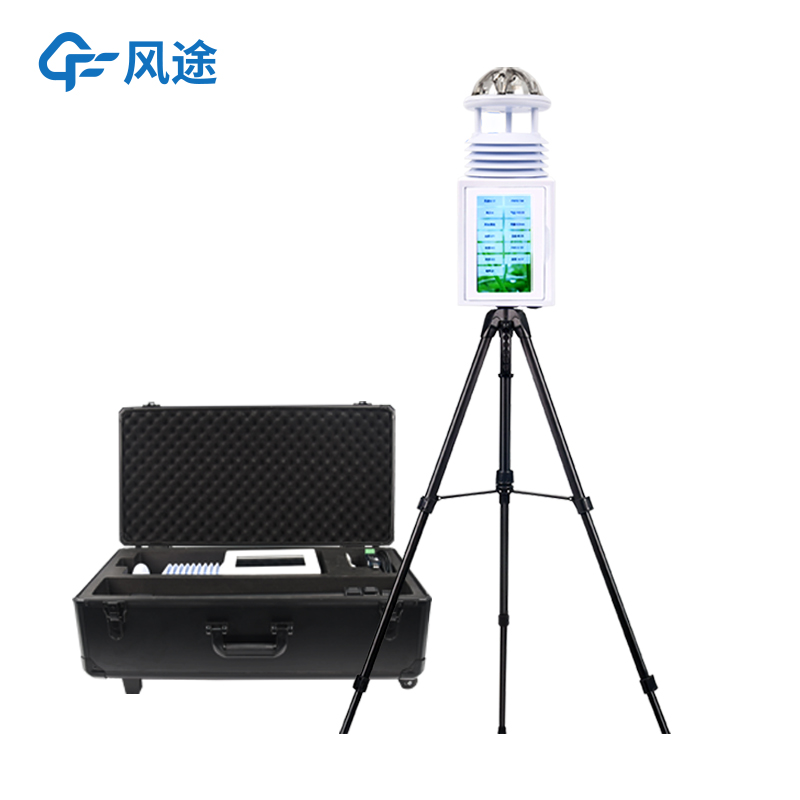
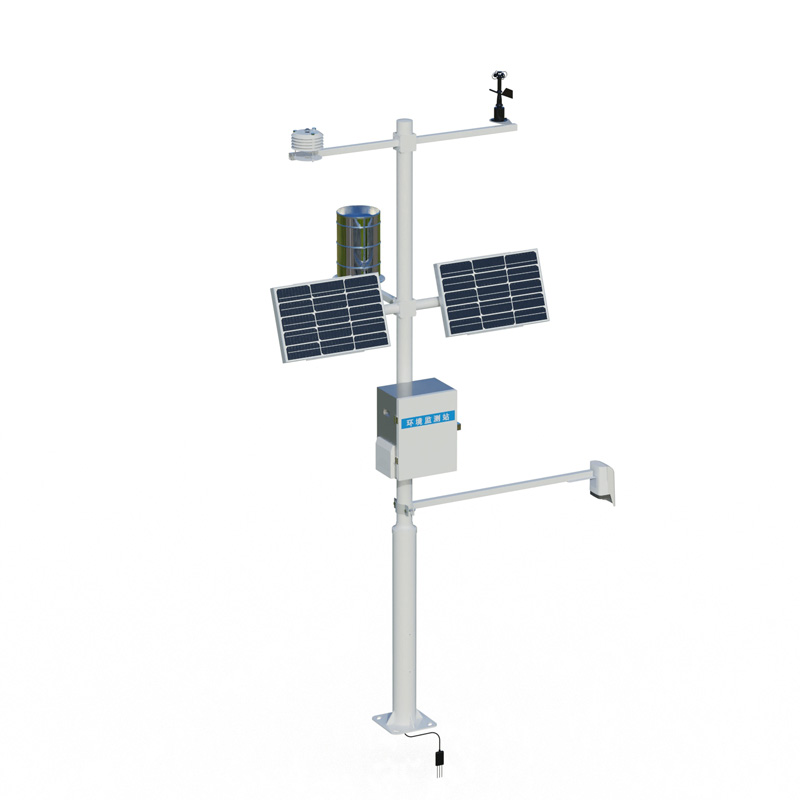
The core advantage of the Wireless Weather Station lies in its integrated composite meteorological sensor. This key component can accurately measure various meteorological parameters, effectively meeting application needs in different scenarios and providing reliable support for obtaining meteorological data in various fields.
In terms of data transmission and architecture design, the weather station adopts an Internet of Things (IoT) architecture and relies on 4G wireless communication technology to collect and upload meteorological data. This communication method breaks free from the constraints of traditional wired connections; even in remote or complex environments, it can transmit data stably, allowing users to obtain the required meteorological information in a timely manner and avoiding decision-making or research disruptions caused by data delays.
It can simultaneously conduct continuous monitoring of key meteorological elements such as atmospheric temperature, atmospheric humidity, air pressure, rainfall, wind speed, and wind direction. The collected data can fully reflect the meteorological conditions of the monitoring area, providing abundant and accurate basic data for subsequent analysis, research, and applications.
The station can output monitoring data in real time, enabling users to grasp meteorological dynamics immediately without waiting—facilitating timely adjustments to response plans. The overall device is lightweight, making it very convenient for both short-distance carrying and long-distance transportation, and it can be flexibly deployed at different locations according to monitoring targets. The installation process is also extremely simple: no professional technical assistance is required, and users can quickly complete assembly and debugging by following a simple operation guide, significantly lowering the threshold for use. Additionally, the integrated and compact design further optimizes the device structure, which not only saves storage space but also reduces the possibility of component wear and tear, enhancing the overall reliability and service life of the device.
A weather phenomenon sensor is an optical measuring instrument that uses the forward scattering principle. It emits an infrared pulse beam into the atmosphere and receives the scattering signals from aerosol particles, calculating the extinction coefficient to determine the visibility value. T...
Please note that this is a basic meteorological instrument capable of monitoring only wind speed, wind direction, air temperature and humidity, and air pressure.When equipped with sensors for dust concentration, harmful gases (such as sulfur dioxide, nitrogen oxides), PM2.5, PM10, etc., it becomes a...
Dust Monitoring Equipment is a critical environmental monitoring device explicitly required by environmental protection authorities. Its core monitoring parameters include PM2.5 and PM10, while it also concurrently monitors meteorological factors such as wind speed, wind direction, temperature, and...
In outdoor natural settings such as dense forests, mountain streams, vast rivers, lakes and seas, and around rushing waterfalls, people often feel the air is exceptionally fresh. The key reason behind this is that the air in these places contains a sufficient amount of negative oxygen ions. Essentia...


 Skype
Skype
 whatsapp
 mail
mail