Tianyi Sensor IOT Technology Co., Ltd
Sales Manager:Ms. Emily Wang
Cel,Whatsapp,Wechat:+86 15898932201
Email:info@fengtutec.com
Add:No. 155 Optoelectronic Industry Accelerator, Gaoxin District, Weifang, Shandong, China


Sales Manager:Ms. Emily Wang
Cel,Whatsapp,Wechat:+86 15898932201
Email:info@fengtutec.com
Add:No. 155 Optoelectronic Industry Accelerator, Gaoxin District, Weifang, Shandong, China
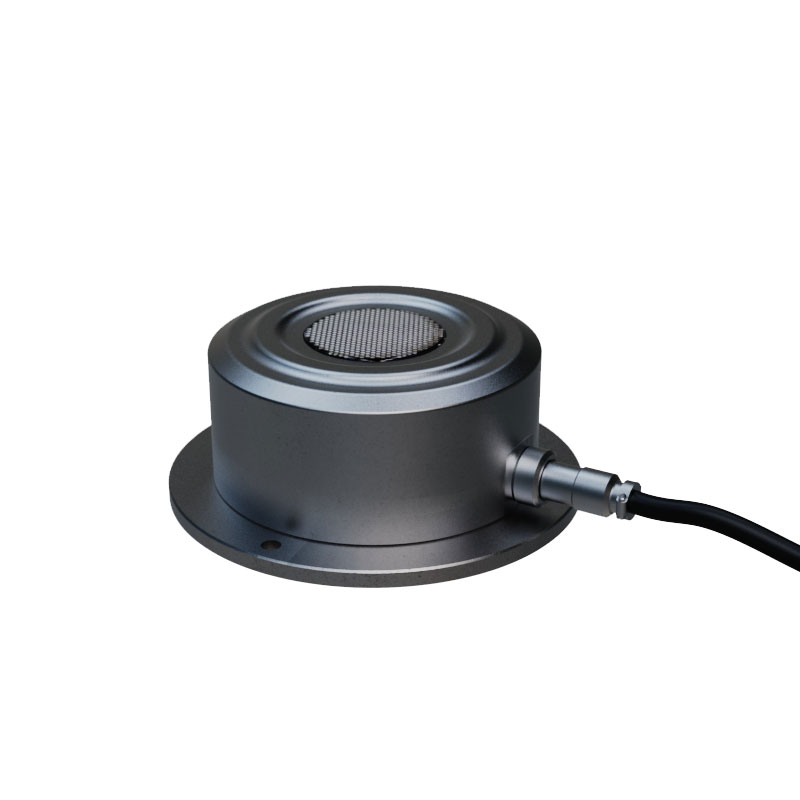
Model:FT-XL2
Brand:tianyi
1.Ultrasonic Snow Depth Sensor Product Introduction
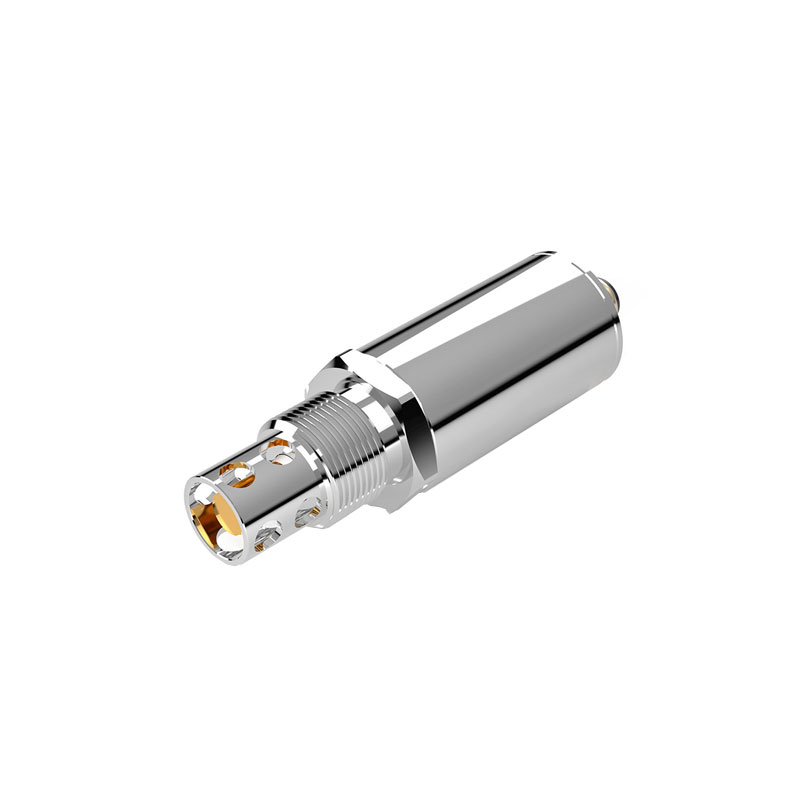
Ultrasonic Snow Depth Sensor is an advanced digital ultrasonic device that sends ultrasonic waves to the snow surface, providing continuous, accurate snow accumulation measurements.Ultrasonic Snow Depth Sensor is a sensor that uses ultrasonic technology to detect distances on snow surfaces.The sensor adopts an integrated capacitive electrostatic transducer probe design, with high sensitivity, strong anti-interference ability and high accuracy.
2.Ultrasonic Snow Depth Sensor Technical Indicators
Power supply: DC12V
Working environment: -40-60℃, humidity ≤100% without condensation
Communication interface: RS485
Operating current: 18mA DC12V
Minimum data interval: 0.2S
Housing material: aluminum alloy material
Range: 0-2000mm
Measurement resolution: 1mm
Accuracy: 1mm±0.2%
3.Ultrasonic Snow Depth Sensor Product Size Diagram
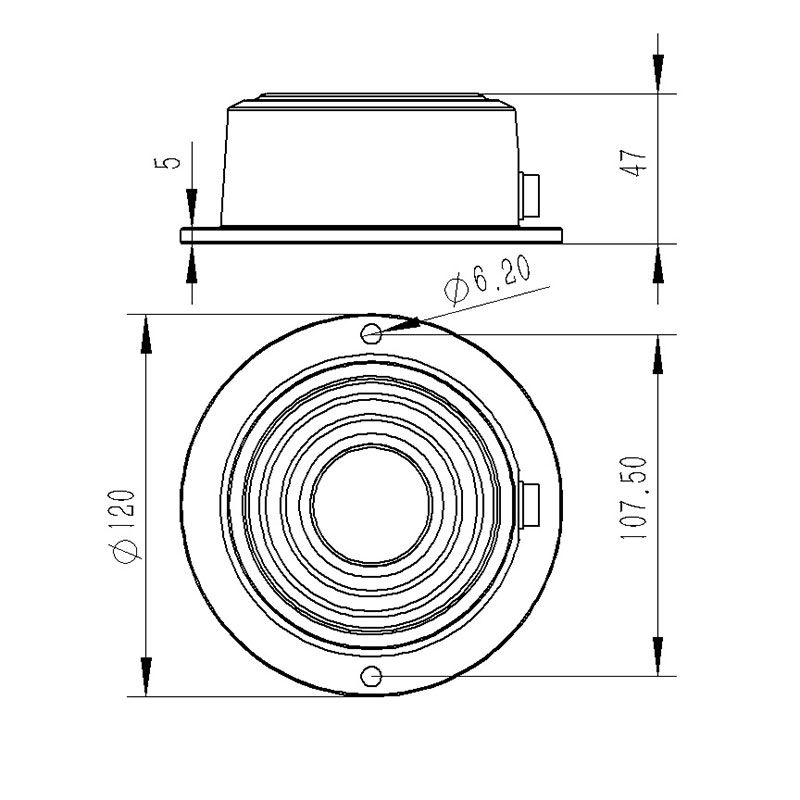
4.Ultrasonic Snow Depth Sensor products
The equipment installation location should be open
The equipment installation cross arm should be guaranteed to be at least 1M
There should be no obstruction above the device
The distance from the equipment to the ground level should be within 20cm-200cm.In order to ensure measurement accuracy, the recommended distance is 100cm.
The equipment installation bracket should be kept horizontal.It is best to treat the reflective ground of the sensor horizontally.The reflection point should be within a radius of 1 meter.The weed interference should be avoided.
Throughout the long history of human interaction with the natural environment, weather has always held a pivotal position. Since ancient times, people have sought to uncover the mysteries of weather changes to better arrange their lives and production activities. In ancient times, people accumulated...
Ultrasonic Smart Weather Station integrates multi-element monitoring and uses a fully digital design to achieve accurate perception and real-time transmission of environmental data...
The Wind Sensor employs the time-of-flight measurement principle, accurately calculating wind speed and direction by detecting changes in the speed of ultrasonic waves propagating in the air....
Microwaves refer to electromagnetic waves with frequencies ranging from 300MHz to 300GHz and wavelengths from 1 millimeter to 1 meter. Due to their high frequency and short wavelength, they have strong directivity and penetrating power, enabling stable propagation under different meteorological cond...


 Get a Free Quote
 Skype
Skype
 whatsapp
 mail
mail