Tianyi Sensor IOT Technology Co., Ltd
Sales Manager:Ms. Emily Wang
Cel,Whatsapp,Wechat:+86 15898932201
Email:info@fengtutec.com
Add:No. 155 Optoelectronic Industry Accelerator, Gaoxin District, Weifang, Shandong, China


Sales Manager:Ms. Emily Wang
Cel,Whatsapp,Wechat:+86 15898932201
Email:info@fengtutec.com
Add:No. 155 Optoelectronic Industry Accelerator, Gaoxin District, Weifang, Shandong, China
time:2025-07-02 08:50:46 source:Weather Station viewed:319 time
3D Ultrasonic Anemometer can measure the horizontal and vertical wind speed and direction values in three-dimensional space at high frequency, providing accurate and real-time data support for various industries.
The working principle of this sensor is based on the propagation characteristics of ultrasonic waves in the air. It is composed of multiple ultrasonic probes arranged in a specific geometric structure inside. During operation, the probes emit ultrasonic signals of a specific frequency into the air. When these signals encounter air flow (i.e., wind) during propagation, their propagation speed and direction will change. Other probes receive the ultrasonic signals after they propagate through the air. The sensor calculates the propagation time of the ultrasonic signals in the air by measuring the time difference between transmission and reception. Since wind changes the propagation speed of ultrasonic signals, the wind speed can be calculated based on the change in propagation time. At the same time, the wind direction angle can be determined by analyzing the signal strength and phase difference received by different probes. For example, when the wind blows from a certain direction, the probe facing the wind will receive a relatively stronger signal with a specific phase change, so as to accurately determine the wind direction.
3D Ultrasonic Anemometer has the following advantages. First, it has high measurement accuracy, up to ±0.5m/s and ±1°, and is almost unaffected by environmental factors such as temperature, humidity, and air pressure, with stable and reliable measurement results. Second, it has an extremely fast response speed, which can real-time monitor the instantaneous changes of wind to meet the needs of rapid measurement of wind field dynamic changes. Furthermore, the sensor has no mechanical rotating parts, so there is no problem of mechanical wear, resulting in a long service life and low maintenance cost. Finally, it has a strong structure, mostly using stainless steel or aluminum alloy casing.
It can provide accurate wind speed and direction data for meteorological monitoring and climate research, helping meteorologists to deeply understand atmospheric circulation and weather changes, and improve the accuracy of weather forecasting. In the planning, construction, and operation stages of wind farms, the sensor can accurately measure wind speed and direction, providing an evaluation basis for site selection, wind turbine layout optimization, and power generation efficiency assessment.
It can also be used to monitor the diffusion direction and speed of atmospheric pollutants, providing scientific support for environmental protection and pollution control. In transportation facilities such as bridges and tunnels, monitoring wind speed and direction ensures traffic safety.
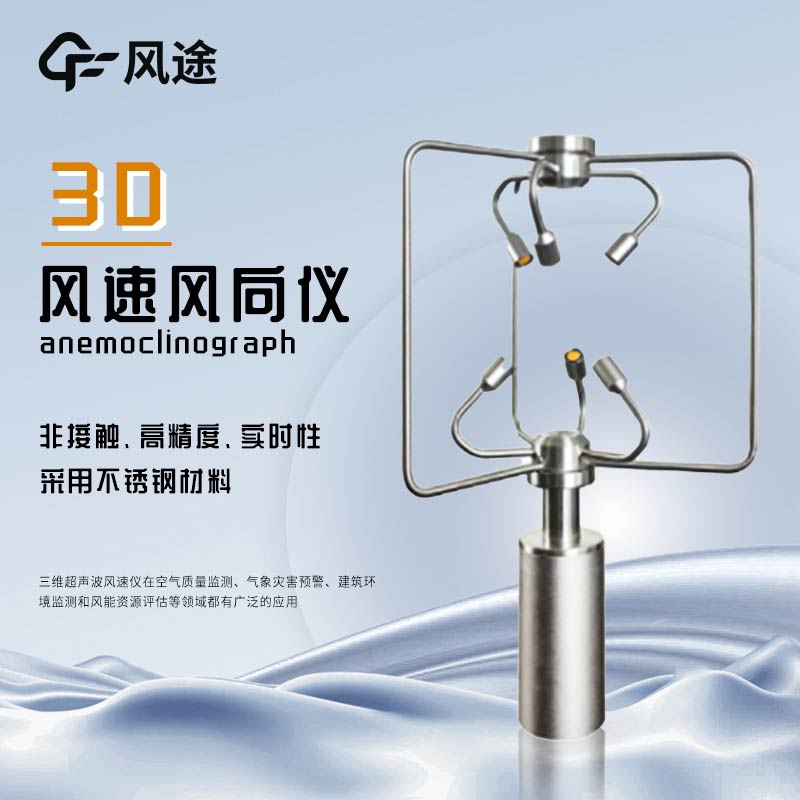
Ultrasonic resonance anemometry is a commonly used meteorological observation technology. Its principle is to utilize the propagation characteristics of ultrasonic waves in the air to measure wind speed and wind direction. When sound waves propagate in the air, their speed will be affected by the wi...
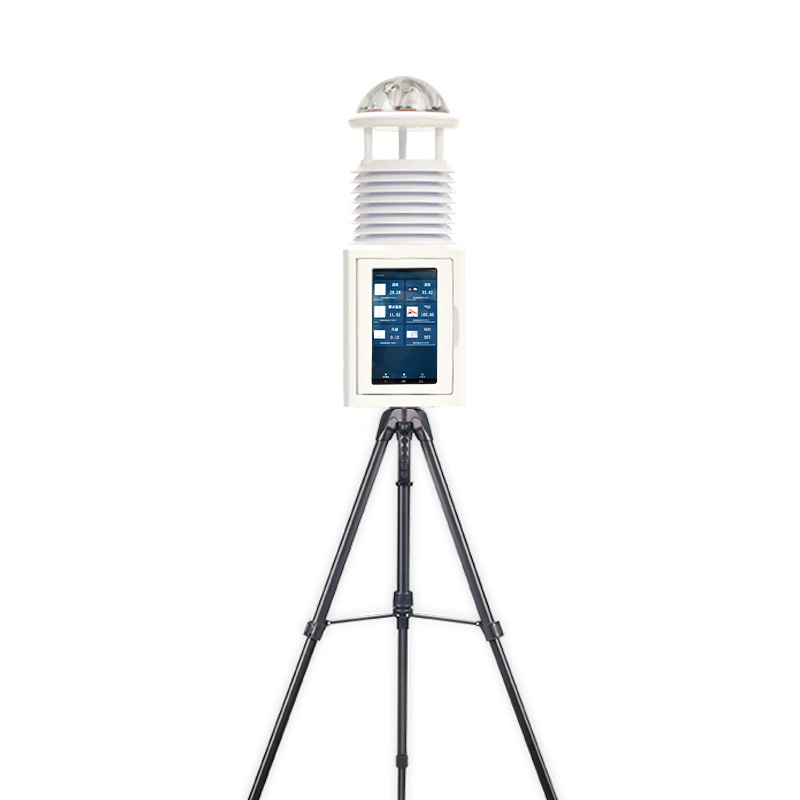
The wireless transmission technology of Multiparameter Weather Sensors enables remote real-time transmission of meteorological data through communication methods such as LoRa, ZigBee, and GPRS. Traditional wired sensors suffer from cumbersome cabling, which limits installation locations. In contrast...
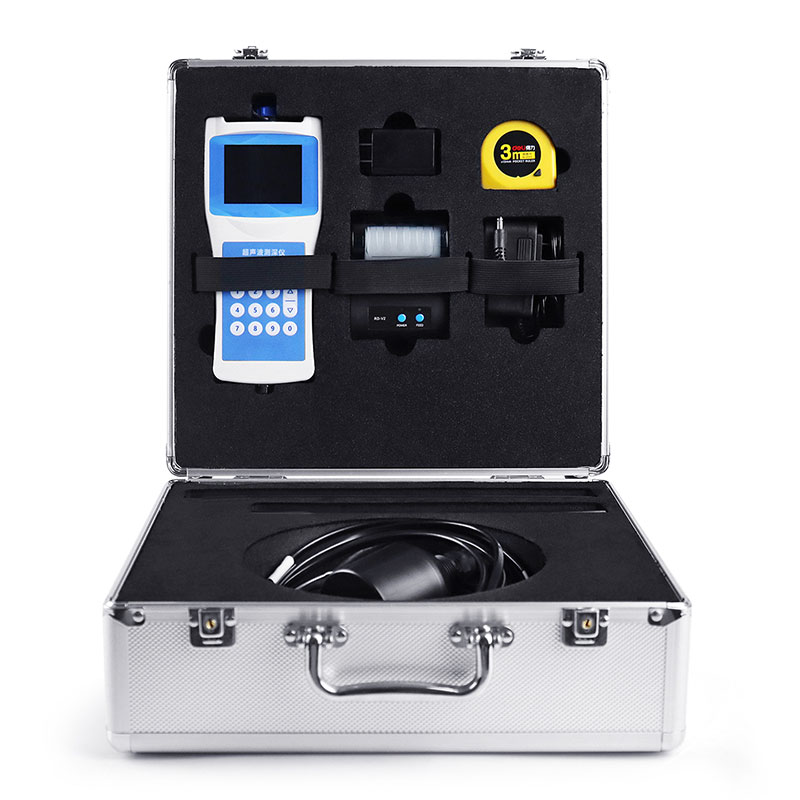
Water quality monitoring equipment for water treatment plants is an integrated system for online monitoring of key parameters such as residual chlorine, pH, water temperature, turbidity, and conductivity. It provides a basis for multi-dimensional testing of source water, treated water, and network water, and is widely used in full-process water quality safety management from water plants to end-users....
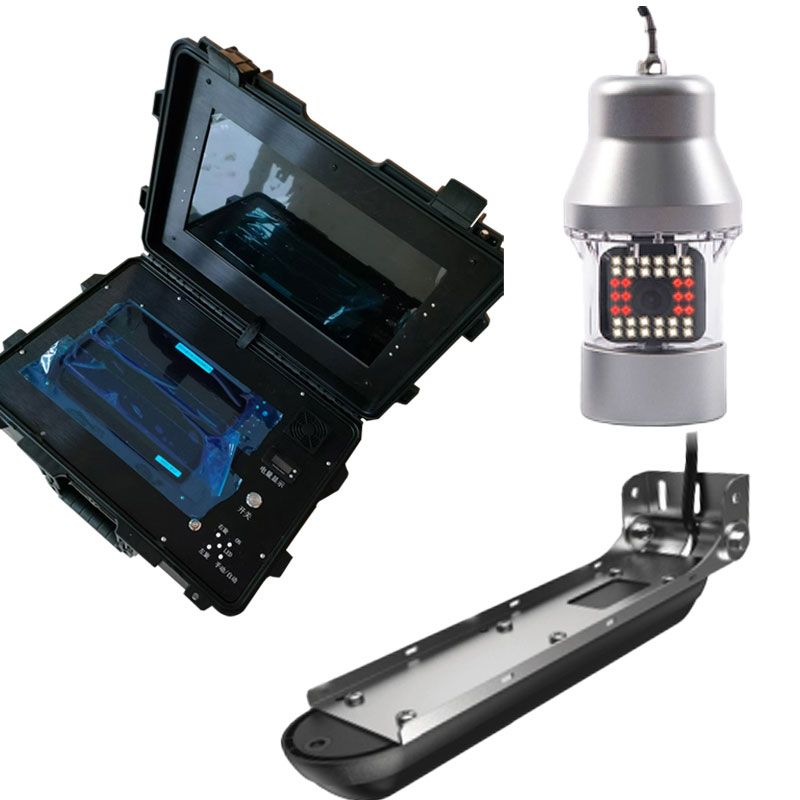
Underwater sonar imaging sounder is a portable underwater detection device integrating sonar technology and video recording. It generates high-resolution underwater topographic images, 3D models, and target location information by emitting sound waves into the water and receiving the echoes. It is suitable for single-person outdoor operations such as underwater search and rescue, topographic mapping, and engineering surveys....


 Skype
Skype
 whatsapp
 mail
mail