Tianyi Sensor IOT Technology Co., Ltd
Sales Manager:Ms. Emily Wang
Cel,Whatsapp,Wechat:+86 15898932201
Email:info@fengtutec.com
Add:No. 155 Optoelectronic Industry Accelerator, Gaoxin District, Weifang, Shandong, China


Sales Manager:Ms. Emily Wang
Cel,Whatsapp,Wechat:+86 15898932201
Email:info@fengtutec.com
Add:No. 155 Optoelectronic Industry Accelerator, Gaoxin District, Weifang, Shandong, China
time:2025-06-09 09:04:45 source:Weather Station viewed:346 time
The wireless transmission technology of Multiparameter Weather Sensors enables remote real-time transmission of meteorological data through communication methods such as LoRa, ZigBee, and GPRS. Traditional wired sensors suffer from cumbersome cabling, which limits installation locations. In contrast, wireless transmission technology breaks these constraints, allowing flexible deployment in complex terrains and remote areas.
In the agricultural sector, wireless Multiparameter Weather Sensors can real-time monitor data such as temperature, humidity, and light intensity in farmland. Farmers receive this data via mobile phones or computers to accurately grasp the growth environment of crops, enabling timely irrigation, fertilization, and other operations to improve crop yield and quality.
In the transportation field, sensors deployed along bridges, tunnels, and highways can real-time feedback meteorological information such as road icing and heavy fog, providing a basis for traffic management departments to formulate scheduling plans and ensure road safety and smoothness.
In the meteorological monitoring field, numerous dispersed wireless sensors form a huge monitoring network, collecting data such as wind speed, wind direction, and air pressure to help meteorological departments more accurately predict weather changes.
Wireless transmission Multiparameter Weather Sensors also feature easy installation and strong scalability. They eliminate the need for large-scale construction and cabling, reducing installation costs and time. By adding sensor nodes, the monitoring scope and content can be easily expanded. However, they also face challenges such as signal interference from obstacles and limited battery life.
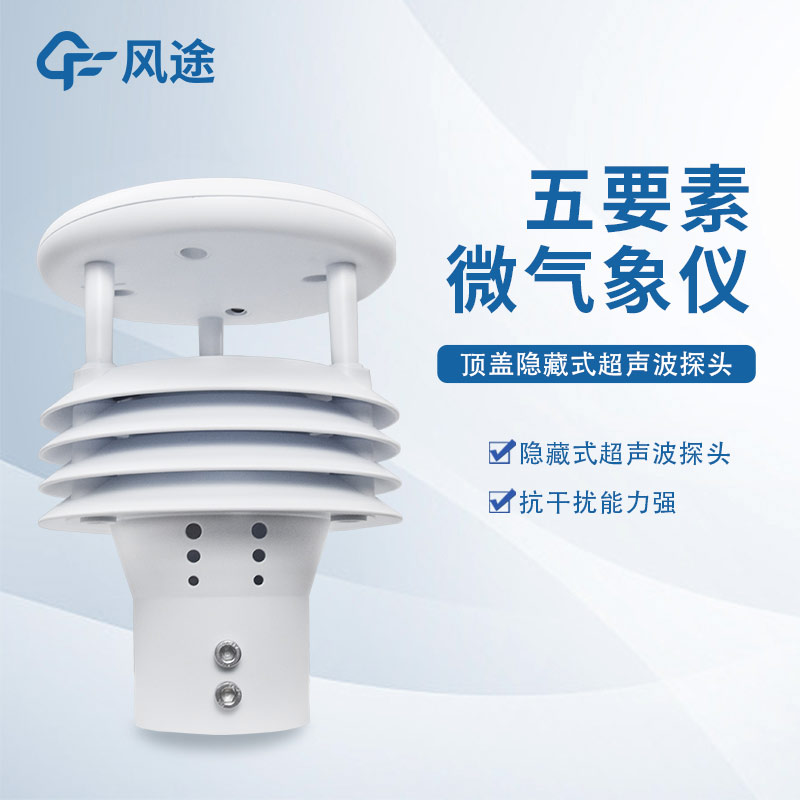
Why measure the flow velocity of a river?First, it provides data support for water resources management. By mastering the river flow velocity, water resources can be rationally allocated to ensure the water demand for daily life and production.Second, it helps with flood control and disaster reducti...
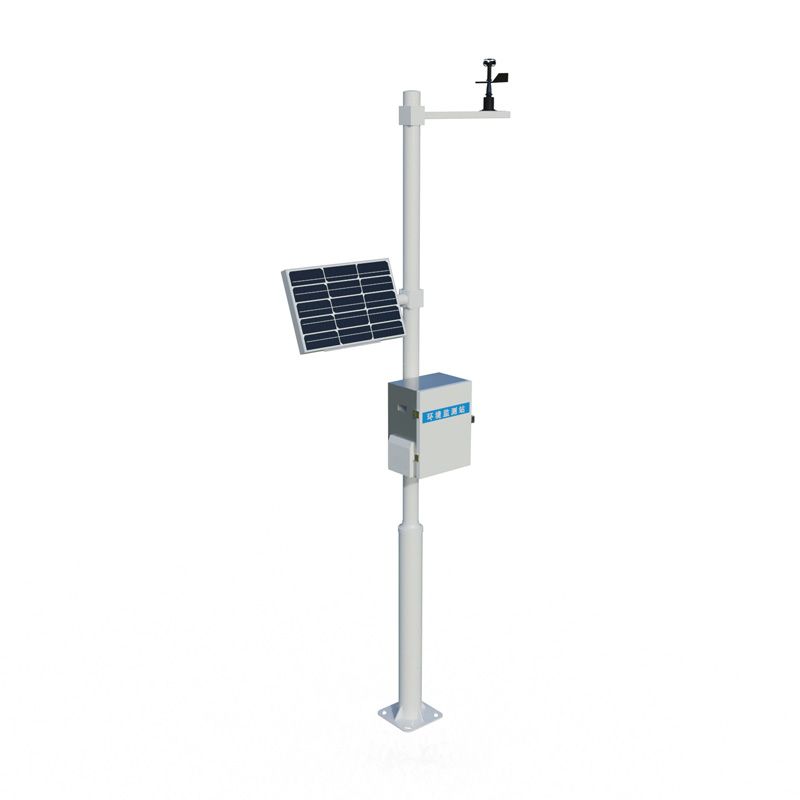
Modern agriculture is transitioning from extensive management to precision agriculture and smart agriculture. Data-driven decision-making is employed to achieve the goals of water conservation, fertilizer reduction, pesticide reduction, yield increase, and quality improvement. Meteorological data is...
After long-term use, photovoltaic modules are prone to various defects. Issues such as microcracks and degradation can seriously affect power generation efficiency and the lifespan of the system. This is where the EL detector, a photovoltaic operation and maintenance device, comes into play. It is a...
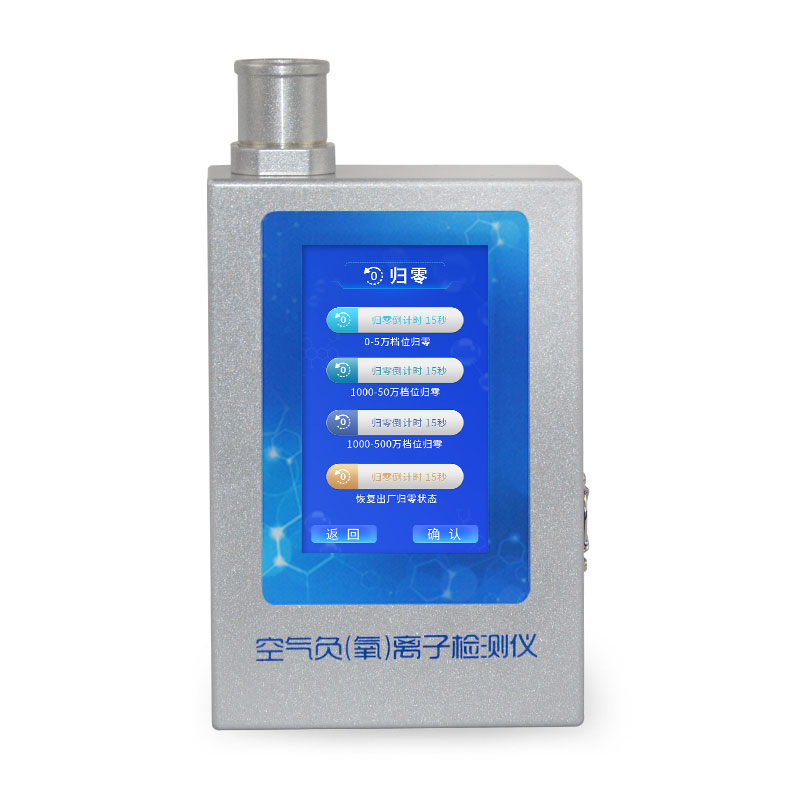
Air quality monitoring stations for road traffic primarily aim to conduct real - time monitoring of air quality in traffic - intensive areas. They integrate data from environmental monitoring networks, meteorological parameters, and vehicle - related information. By doing so, these stations analyze...


 Skype
Skype
 whatsapp
 mail
mail