Tianyi Sensor IOT Technology Co., Ltd
Sales Manager:Ms. Emily Wang
Cel,Whatsapp,Wechat:+86 15898932201
Email:info@fengtutec.com
Add:No. 155 Optoelectronic Industry Accelerator, Gaoxin District, Weifang, Shandong, China


Sales Manager:Ms. Emily Wang
Cel,Whatsapp,Wechat:+86 15898932201
Email:info@fengtutec.com
Add:No. 155 Optoelectronic Industry Accelerator, Gaoxin District, Weifang, Shandong, China
time:2025-08-06 08:46:54 source:Weather Station viewed:390 time
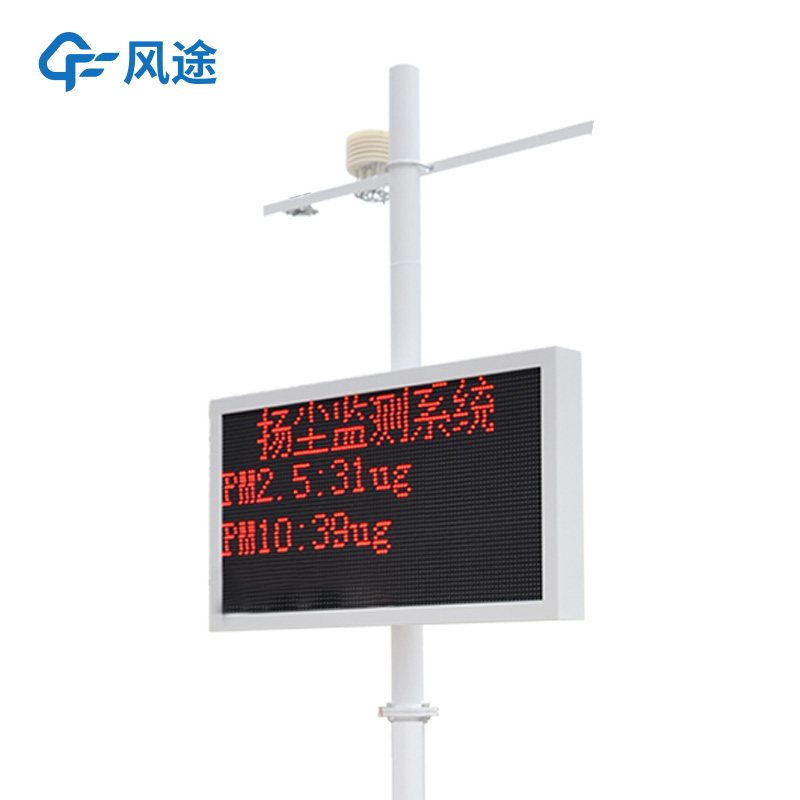
In today's society, environmental issues are receiving increasing attention, and air quality has become an important factor affecting people's quality of life. As one of the key pollutants impacting air quality, dust is in urgent need of accurate monitoring and effective control. The Dust Detector provides a reliable solution for dust pollution monitoring.
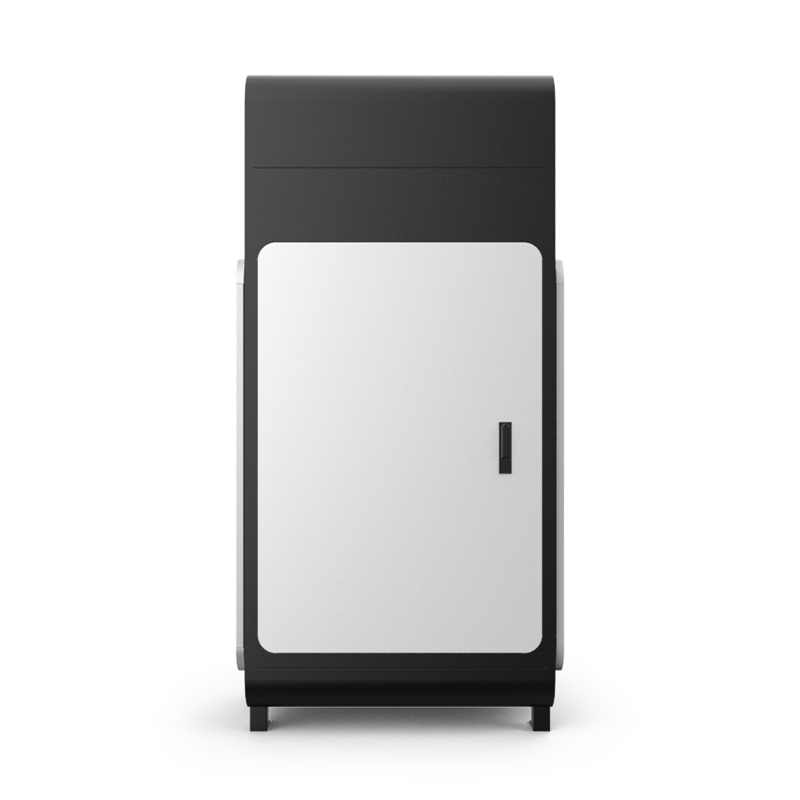
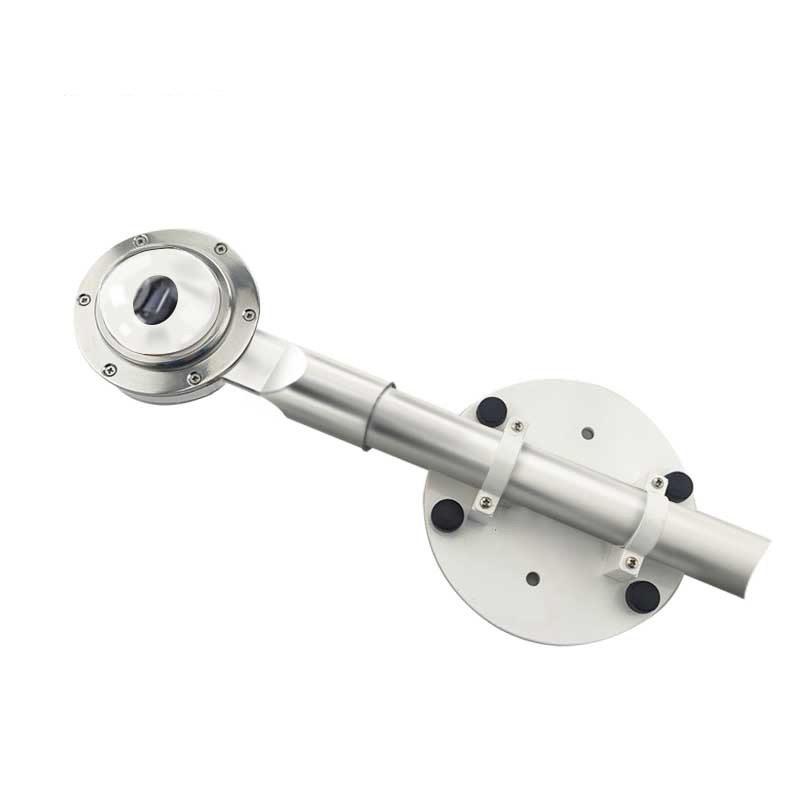
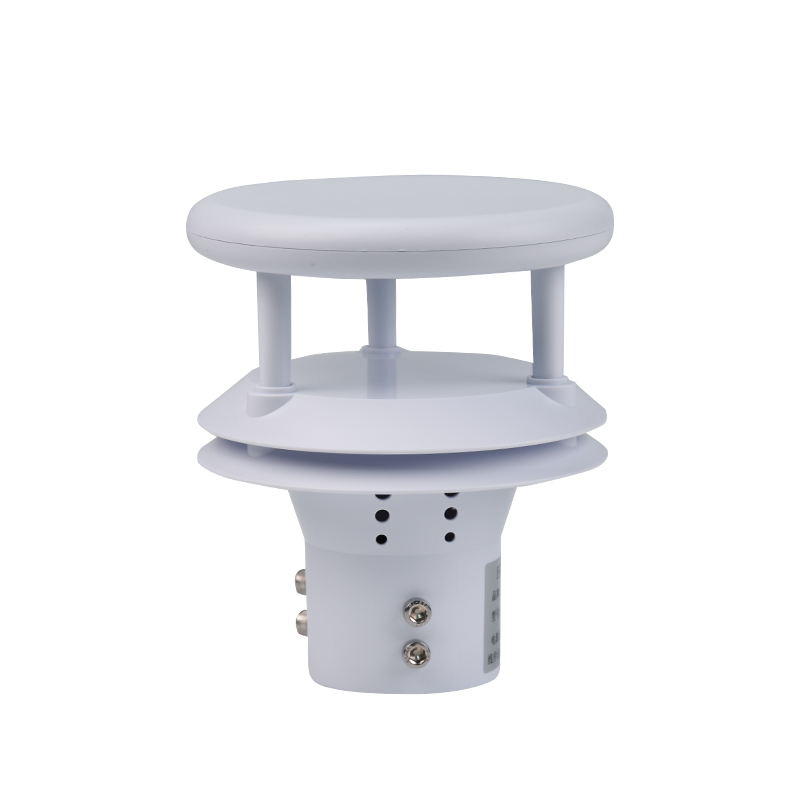
The Dust Detector is a highly integrated professional device. It can monitor a variety of key parameters in real-time and continuously, including ambient temperature, relative humidity, wind speed, wind direction, atmospheric pressure, and most importantly, dust particles (such as PM2.5 and PM10) and noise. Through a carefully designed highly integrated structure, it realizes the synchronous monitoring of multiple meteorological standard parameters and dust-related parameters, and can output these parameters to users at one time through a digital communication interface, which greatly improves the convenience and efficiency of data acquisition.
In terms of working principle, corresponding advanced sensing technologies are adopted for different parameters. For example, when measuring wind speed and direction, it uses the method of emitting continuous frequency-modulated ultrasonic signals and accurately detects wind speed and direction by measuring the relative phase. This technology not only ensures the accuracy of measurement but also overcomes the dependence on high-precision timers in traditional methods, avoiding measurement errors caused by sensor startup delay, demodulation circuit delay, and temperature changes. For the monitoring of dust particles, specific optical or physical principles are used to accurately identify and measure the concentration of particles of different sizes in the air, providing key data support for understanding the status of dust pollution.
On construction sites, the Dust Detector can monitor the dust generated during construction in real-time, helping construction parties adjust construction strategies in a timely manner to reduce the impact of dust on the surrounding environment and residents. In road construction scenarios, it can continuously monitor road dust, assisting transportation departments in taking effective dust reduction measures to ensure air quality around roads. It can also be found in places such as chemical industrial parks and manufacturing enterprises, where it can be used to monitor dust generated during production activities, ensuring that enterprises' production complies with environmental protection standards and protecting the factory areas and surrounding environments.
The Negative Oxygen Ion Monitoring Station features comprehensive multi-factor monitoring capabilities. It can conduct real-time monitoring of multiple environmental factors simultaneously and flexibly add or remove monitoring items according to actual usage needs, so as to adapt to monitoring requi...
Smart weather station is a highly integrated, low-power, and rapidly deployable automatic meteorological observation device. It can perform real-time and precise monitoring of wind speed, wind direction, temperature, humidity, atmospheric pressure, PM2.5, PM10, and noise, and features IoT clou...
Infrared Thermal Imaging Camera features both infrared and visible light imaging modes, supporting various operating modes including incandescent, black-and-white, firefighting, fire, search and rescue, picture-in-picture, and fusion display, suitable for different on-site environment needs. T...
Water quality monitoring equipment for water treatment plants is an integrated system for online monitoring of key parameters such as residual chlorine, pH, water temperature, turbidity, and conductivity. It provides a basis for multi-dimensional testing of source water, treated water, and network water, and is widely used in full-process water quality safety management from water plants to end-users....


 Skype
Skype
 whatsapp
 mail
mail