Tianyi Sensor IOT Technology Co., Ltd
Sales Manager:Ms. Emily Wang
Cel,Whatsapp,Wechat:+86 15898932201
Email:info@fengtutec.com
Add:No. 155 Optoelectronic Industry Accelerator, Gaoxin District, Weifang, Shandong, China


Sales Manager:Ms. Emily Wang
Cel,Whatsapp,Wechat:+86 15898932201
Email:info@fengtutec.com
Add:No. 155 Optoelectronic Industry Accelerator, Gaoxin District, Weifang, Shandong, China
time:2025-08-14 08:54:05 source:Weather Station viewed:350 time
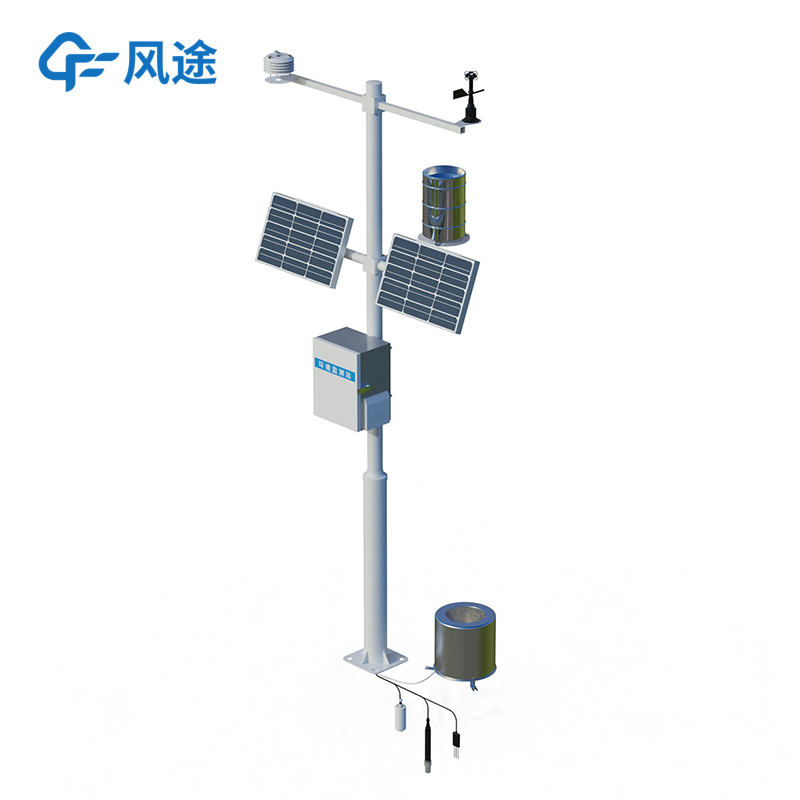
Agricultural monitoring system provides precise guidance for agricultural production through comprehensive monitoring of soil moisture, crop growth, pest and disease infestations, and disasters.
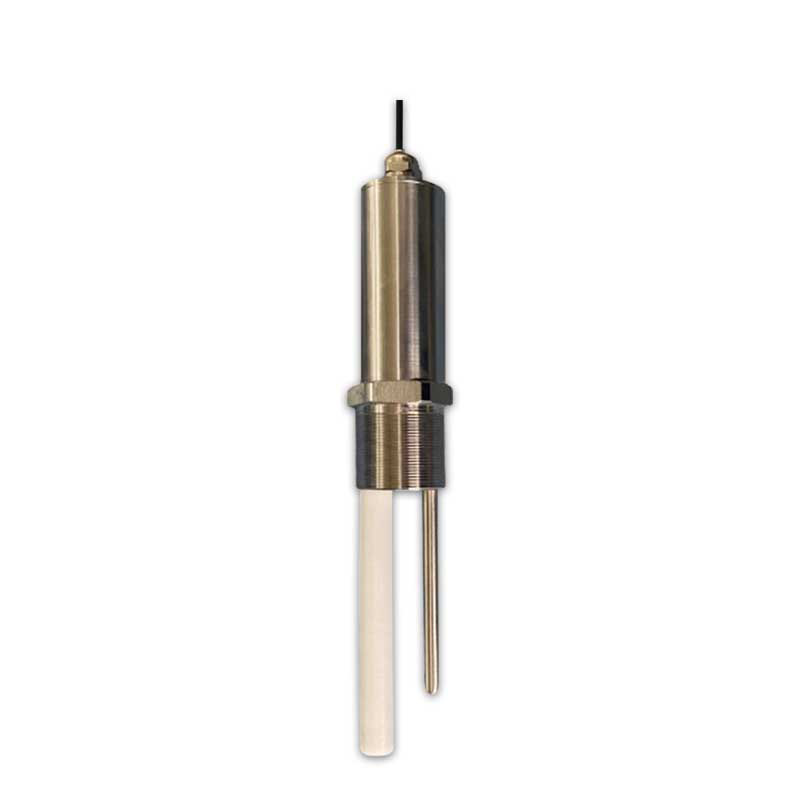
Soil Moisture Monitoring focuses on soil water status. Imbalances in soil moisture directly affect crop growth: water scarcity leads to insufficient root water uptake, causing leaf wilting and growth stagnation, while excessive moisture reduces soil aeration, leading to root hypoxia and rot. Equipped with soil sensors, real-time data on soil temperature and moisture can be collected to adjust irrigation plans, avoiding water waste and enhancing crop yield and quality through precision water management.
Crop Growth Monitoring spans the entire crop lifecycle, covering indicators such as germination rate, seedling height, leaf count, and color. Yellowing leaves or stunted growth may signal nutrient deficiencies or inadequate sunlight, while curled, spotted leaves often indicate disease. High-definition cameras and multispectral sensors assess crop vigor, enabling timely detection of anomalies to guide adjustments in fertilization, planting density, and weeding practices.
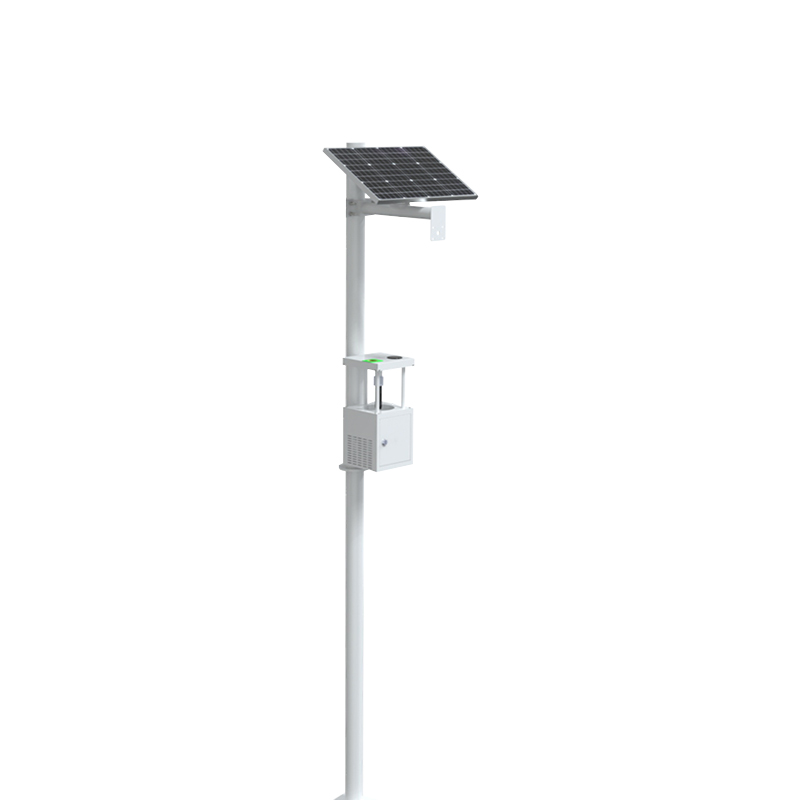
Pest and Disease Monitoring tracks pest populations, pathogen spore activities, including species, distribution, migration routes, and spore counts. Pests like aphids and locusts damage crops, reducing yields. Intelligent insect monitoring lamps and spore traps identify pest species, severity, and disease risks, providing actionable data for targeted pest control and minimizing losses.
Disaster Monitoring addresses natural hazards like heavy rain, hail, drought, typhoons, and cold waves. Field weather stations and rain gauges monitor meteorological changes in real time, issuing early warnings to facilitate protective measures such as infrastructure reinforcement and drainage system optimization.
By integrating these four monitoring systems, farmers can formulate data-driven management strategies, ensuring agricultural stability and harvest security.
A weather phenomenon sensor is an optical measuring instrument that uses the forward scattering principle. It emits an infrared pulse beam into the atmosphere and receives the scattering signals from aerosol particles, calculating the extinction coefficient to determine the visibility value. T...
In today's fast-paced life, people are paying increasing attention to health. Taking leisure vacations at scenic spots has become the first choice for many to relax their minds and bodies and get close to nature. And negative oxygen ions, an invisible yet significant substance in scenic spots, a...
A miniature sensor is a highly integrated meteorological monitoring device. By integrating multiple miniaturized sensors and processing units, it can realize real-time monitoring and data collection of multiple meteorological elements. The device typically integrates core components such as temperat...
Rain And Snow Gauge is a high-precision precipitation monitoring device utilizing weighing and Internet of Things (IoT) technology. It can monitor all types of precipitation, including rain and snow, and is specifically designed for meteorological observation and environmental monitoring....


 Skype
Skype
 whatsapp
 mail
mail