Tianyi Sensor IOT Technology Co., Ltd
Sales Manager:Ms. Emily Wang
Cel,Whatsapp,Wechat:+86 15898932201
Email:info@fengtutec.com
Add:No. 155 Optoelectronic Industry Accelerator, Gaoxin District, Weifang, Shandong, China


Sales Manager:Ms. Emily Wang
Cel,Whatsapp,Wechat:+86 15898932201
Email:info@fengtutec.com
Add:No. 155 Optoelectronic Industry Accelerator, Gaoxin District, Weifang, Shandong, China
time:2025-12-01 11:11:50 source:Weather Station viewed:294 time
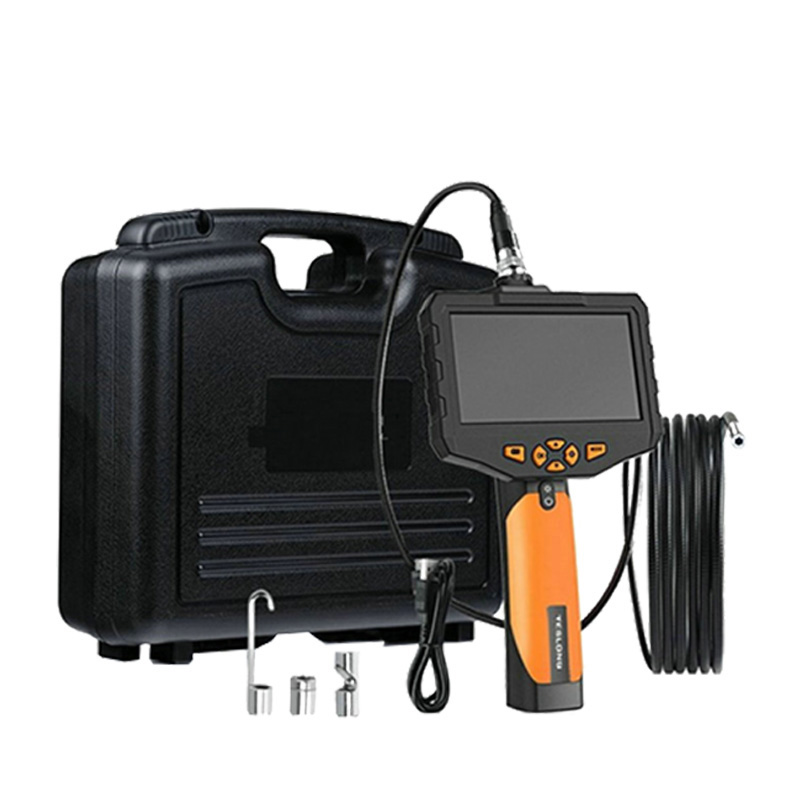
Audio and video life detection device is an emergency rescue device integrating audio acquisition and video imaging functions. It obtains images, sounds, and infrared thermal images of trapped individuals through a rotatable probe. The device supports a 180-degree observation range, offering good visibility, high reliability, and ease of operation, making it suitable for rapid search and rescue operations in earthquakes, landslides, building collapses, and other scenarios.
Audio and video life detection device is a professional search and rescue device used in modern rescue operations. By combining optical imaging, sound acquisition, and infrared detection technologies, it provides rescue personnel with precise location information of trapped individuals at disaster sites. The device consists of a probe module, transmission cable, display unit, and control system, and can be quickly deployed and used in complex rubble environments.
The core component of the detector is a multi-functional probe, typically equipped with a high-resolution CMOS sensor, infrared LED fill light, and microphone array. The probe can penetrate deep into the rubble through narrow gaps. The probe supports 180-degree rotation, allowing for panoramic observation and eliminating blind spots through control via a handheld terminal. It has an IP67 protection rating, providing dustproof and waterproof features, adapting to various harsh rescue environments.
The audio monitoring system consists of a high-sensitivity microphone and a noise reduction processor. The microphone's dynamic noise suppression function filters out ambient noise, enhancing effective sound signals such as knocking and calls for help from trapped individuals. Some models are equipped with a two-way voice system, allowing rescue personnel to communicate with the trapped individuals through the speaker at the probe end.
In actual rescue applications, the detector first divides the search area into a grid and sequentially probes each grid unit. Rescue personnel insert the probe into the gaps in the rubble, simultaneously observing the video image and sound spectrum display. When signs of life are detected, the probe's insertion depth and rotation angle are recorded, and the precise location of the trapped person is determined using triangulation. In low-visibility scenarios, the infrared mode can be switched on to identify the heat signature of living beings.
This device has been widely used in rescue operations for earthquakes, building collapses, mining accidents, and other disaster sites. In concrete rubble environments, the device can detect signs of life within a depth of 10 meters. Compared to traditional acoustic detectors, the combined audio and video detection reduces the false alarm rate by approximately 40%, and the average positioning time is shortened to within 15 minutes. With technological advancements, new detection devices are integrating wireless transmission, enhanced display, and artificial intelligence recognition capabilities, further improving the efficiency and success rate of search and rescue operations.
The measurement of wind speed and direction is of great importance in many fields, such as weather forecasting, high - speed railways, wind power generation, industrial and agricultural production, and scientific research.In the traditional meteorological field, the measurement of wind speed and dir...
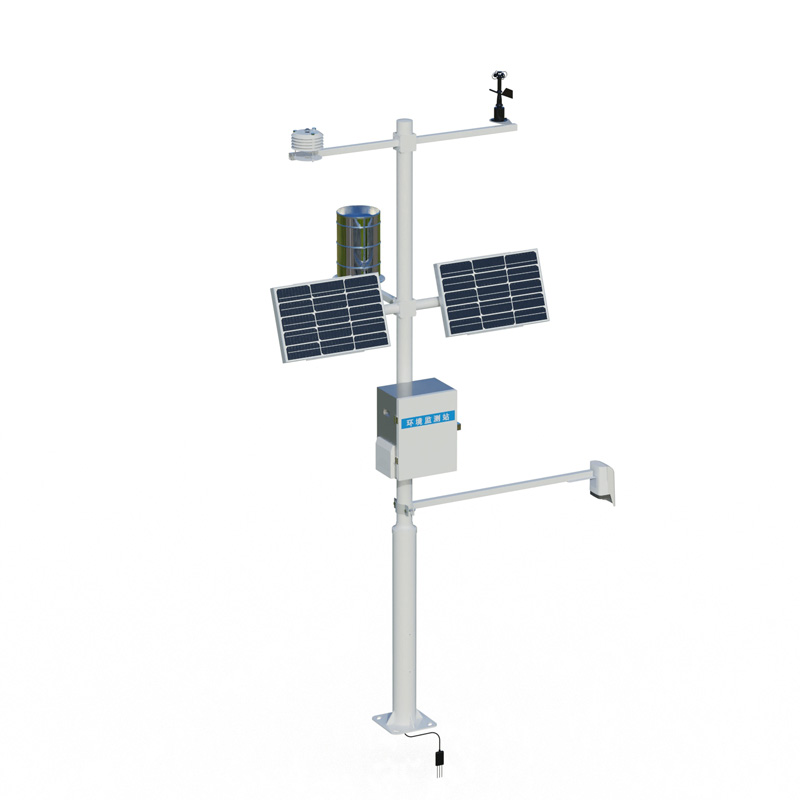
Meteorological equipment includes surface-based meteorological observation instruments and upper-air meteorological sounding instruments, used for weather forecasting, climate research, and environmental management. Highly integrated small-scale automatic meteorological observation equipment e...
Traditional air quality monitoring stations (national and provincial control points) use extremely sophisticated and expensive equipment, resulting in very high construction and operational costs. Consequently, a city typically has only a handful of such stations. Due to the limited number of statio...
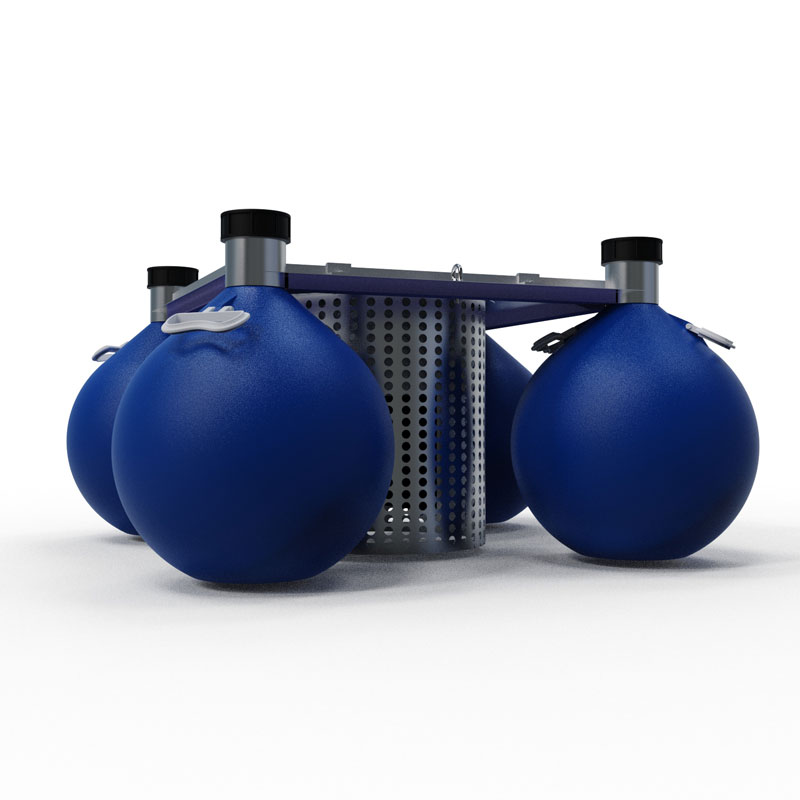
Leveraging the propagation characteristics of sound waves underwater, Water Rescue Equipment performs underwater detection through electro-acoustic conversion and signal processing. It provides scanned views, 3D visualizations, and underwater life detection capabilities for riverbeds and water...


 Skype
Skype
 whatsapp
 mail
mail