Tianyi Sensor IOT Technology Co., Ltd
Sales Manager:Ms. Emily Wang
Cel,Whatsapp,Wechat:+86 15898932201
Email:info@fengtutec.com
Add:No. 155 Optoelectronic Industry Accelerator, Gaoxin District, Weifang, Shandong, China


Sales Manager:Ms. Emily Wang
Cel,Whatsapp,Wechat:+86 15898932201
Email:info@fengtutec.com
Add:No. 155 Optoelectronic Industry Accelerator, Gaoxin District, Weifang, Shandong, China
time:2025-05-21 09:59:59 source:Weather Station viewed:346 time
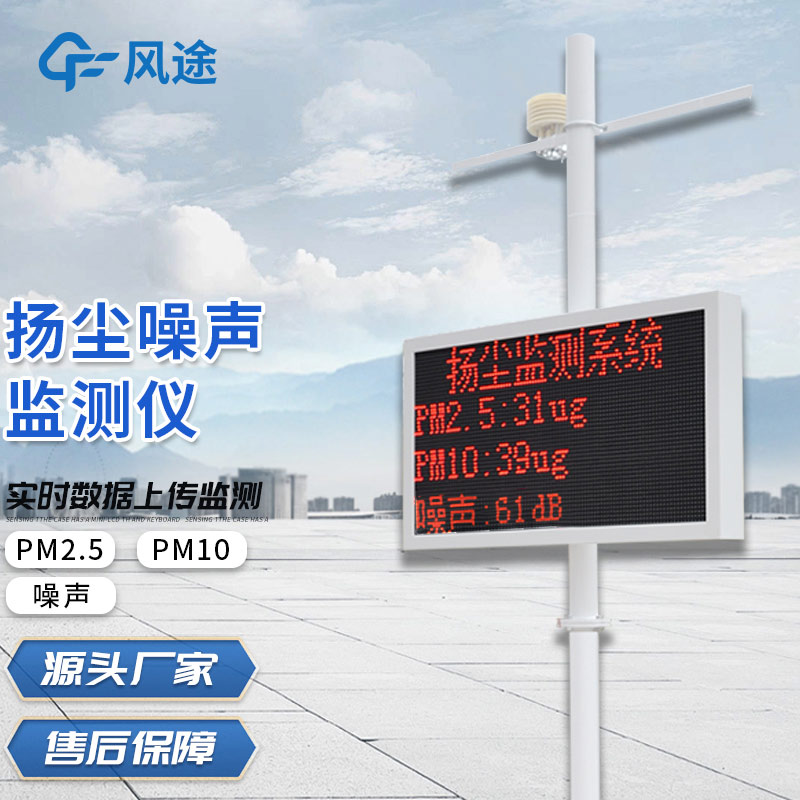
Dust particles such as PM2.5 and PM10 in airborne dust can penetrate deep into the human respiratory system, triggering respiratory diseases. Dust detectors, by real-time monitoring the concentration of dust particles in the air, provide precise data for pollution control and serve as key equipment for environmental supervision and governance. Reasonable selection of dust detectors can effectively enhance monitoring efficiency and assist in the prevention and control of dust pollution.
Currently, there are many types of dust detectors on the market, mainly divided into two categories: light scattering method and β-ray method.
Light Scattering Method Dust Detectors: These devices calculate the concentration of particulate matter by shining laser light on particles in the air and measuring the intensity of scattered light.
Advantages: Fast response speed, high sensitivity, strong anti-interference capability, and real-time display of atmospheric particulate matter concentration. They are suitable for short-term intermittent monitoring in construction sites, road construction, and other venues.
Cost-effectiveness: Relatively low equipment prices make them more accessible to construction sites, demolition sites, and similar environments.
β-Ray Method Dust Detectors: These devices measure the mass concentration of dust by the degree to which β-rays are absorbed when passing through dust.
Advantages: More stable data, high precision, and immunity to environmental factors such as temperature and humidity. They are suitable for dust monitoring in various environmental conditions, especially for long-term continuous monitoring in environmental air quality applications, such as ports, schools, hospitals, and other venues.
In summary, for rapid screening and real-time early warning of dust pollution, light scattering method dust detectors are more economical and practical. For high-precision data required for environmental quality assessment and scientific research, β-ray method dust detectors are more suitable. By weighing the advantages and disadvantages of the two technologies according to specific usage scenarios and monitoring requirements, the most suitable dust detector can be selected to provide strong support for dust pollution control.
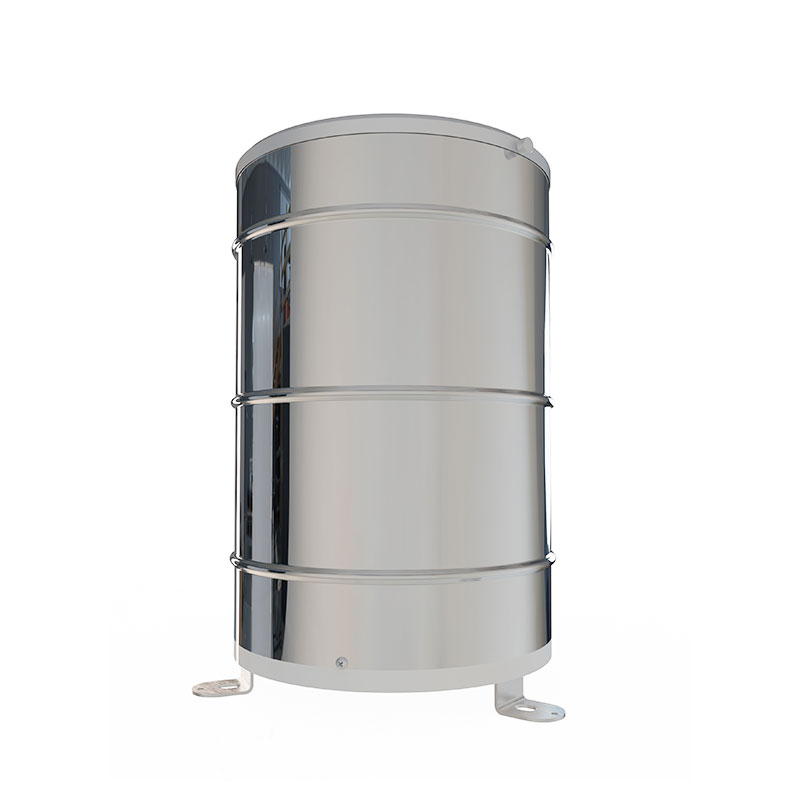
instrument used to measure rainfall rain gauge employs a pure infrared light source and a narrow-band filter, with a sensing area of 78 square centimeters. It measures rainfall with high precision through the principle of optical scattering. The device is unaffected by high-intensity sunlight,...
To meet the needs of air pollution prevention and control, environmental protection authorities require more refined and efficient air quality supervision. However, traditional national standard monitoring stations, despite providing high data accuracy, face limitations such as high construction cos...
Tianyi specializes in the research, development and production of meteorological monitoring equipment, with profound technical strength and rich experience in the field of Automatic Farmland Weather Station. The weather stations produced by the company feature high-precision sensors and are made of...
An air quality monitoring station is an unmanned environmental monitoring device that integrates data collection, storage, transmission, and management. Its core advantage lies in its ability to conduct high-precision, real-time monitoring of various pollutants. The system can provide data on parame...



 Skype
Skype
 whatsapp
 mail
mail