Tianyi Sensor IOT Technology Co., Ltd
Sales Manager:Ms. Emily Wang
Cel,Whatsapp,Wechat:+86 15898932201
Email:info@fengtutec.com
Add:No. 155 Optoelectronic Industry Accelerator, Gaoxin District, Weifang, Shandong, China


Sales Manager:Ms. Emily Wang
Cel,Whatsapp,Wechat:+86 15898932201
Email:info@fengtutec.com
Add:No. 155 Optoelectronic Industry Accelerator, Gaoxin District, Weifang, Shandong, China
time:2025-07-16 08:45:38 source:Weather Station viewed:414 time
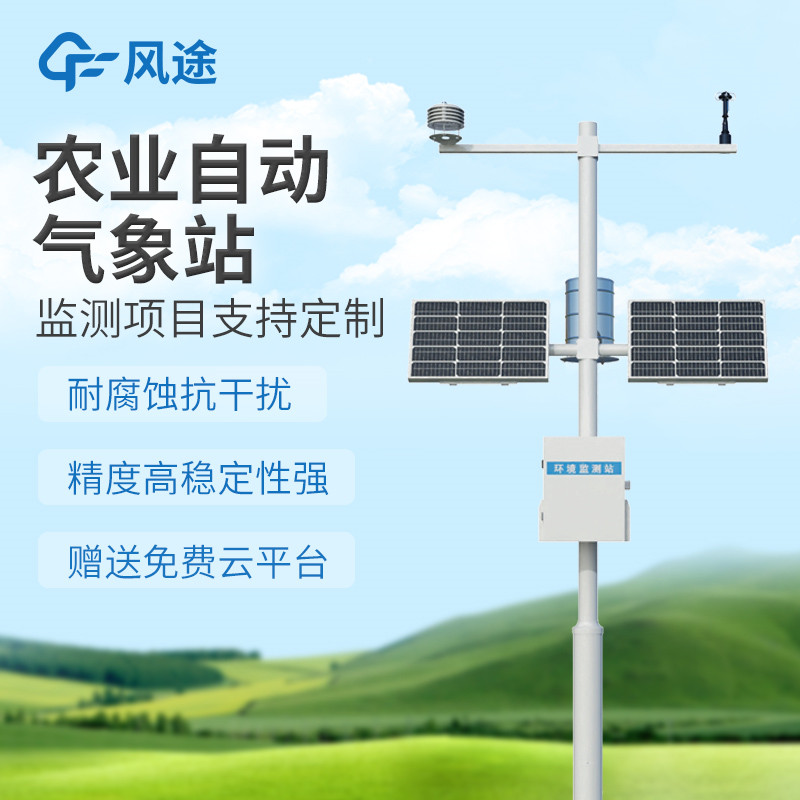
Tianyi specializes in the research, development and production of meteorological monitoring equipment, with profound technical strength and rich experience in the field of Automatic Farmland Weather Station. The weather stations produced by the company feature high-precision sensors and are made of corrosion-resistant and anti-interference materials, making them applicable to both farmlands in the high-temperature and high-humidity southern regions and cultivated lands in the windy and sandy northern areas. Fengtu Technology provides customers with comprehensive after-sales services, ranging from equipment installation and commissioning to later maintenance and upgrading. Welcome to consult!
——
The Automatic Farmland Weather Station is part of the effort to make agriculture smarter. By collecting meteorological data in real time and with high precision, it enables agriculture to successfully embrace "cloud" technology and better develop smart agriculture.
The Automatic Farmland Weather Station can collect key meteorological parameters in real time, such as air temperature and humidity, wind speed and direction, light intensity, precipitation, and soil moisture. These data are quickly uploaded to the cloud platform via wireless transmission technology. In this way, farmers and agricultural managers can check farmland meteorological information at any time through terminals such as mobile phones and computers, no matter where they are.
During drought periods, when the weather station detects a continuous drop in soil moisture, the system immediately sends irrigation reminders to farmers through the cloud. Farmers can arrange irrigation reasonably based on the data, avoiding waste of water resources while ensuring that crops get sufficient water.
Before the arrival of severe convective weather, the weather station predicts changes in wind speed, air pressure, etc., and transmits early warning information to farmers through the cloud, enabling farmers to take timely protective measures and reduce the damage of meteorological disasters to crops.
This series of operations, relying on cloud technology to achieve efficient transmission and utilization of meteorological data, makes agricultural production more scientific and efficient.
Thanks to the rich data provided by the Automatic Farmland Weather Station, smart agriculture has been able to develop vigorously. On the one hand, the data analysis system combines meteorological data with crop growth models to provide farmers with precise agricultural advice. For example, it guides farmers to reasonably adjust planting density according to light intensity and the photosynthetic needs of crops; and predicts the probability of pest and disease occurrence based on changes in temperature and humidity, and provides prevention and control plans. On the other hand, the weather station data can be linked with intelligent irrigation and fertilization systems. When changes in soil nutrient content and humidity data are detected, it can automatically regulate fertilization and irrigation equipment, realizing precise operations, improving resource utilization efficiency, reducing environmental pollution, and promoting the sustainable development of agriculture.
Agricultural monitoring system provides precise guidance for agricultural production through comprehensive monitoring of soil moisture, crop growth, pest and disease infestations, and disasters.Soil Moisture Monitoring focuses on soil water status. Imbalances in soil moisture directly affect crop gr...
A Negative Oxygen Ion Monitoring Station is a professional set of equipment used to monitor the number of negative oxygen ions in the air in real-time. It records the activity status of negative oxygen ions in the air through specific sensors, then converts these statuses into readable values via a...
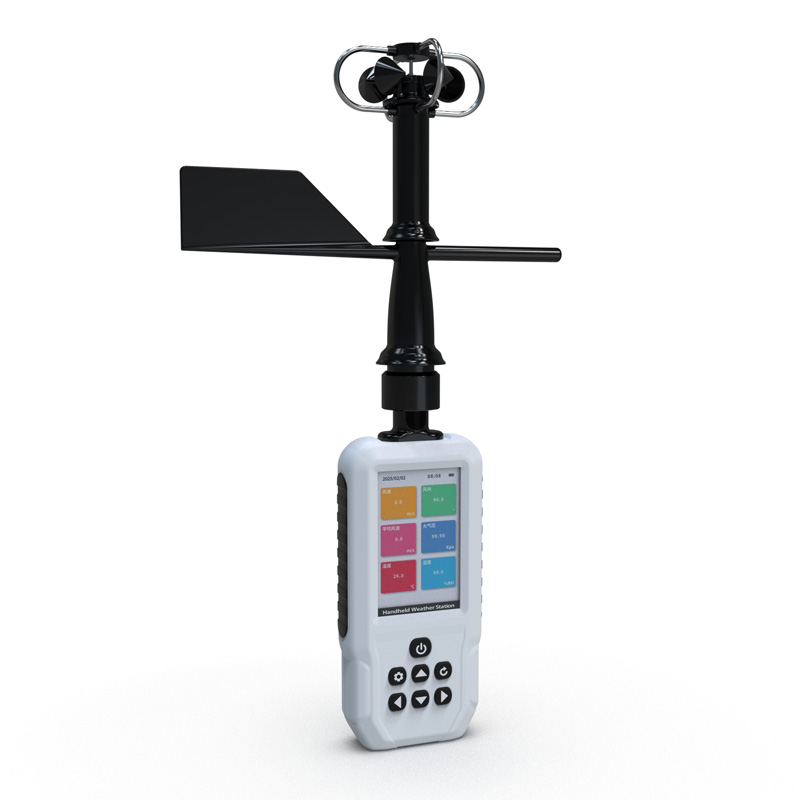
When camping in the wild, the weather conditions are crucial to the camping experience. The Handheld Weather meter can really show its prowess at this time, helping us to understand weather changes in advance and make preparations accordingly.After we arrive at the camping site, we first take...
The Portable Weather Station is a professional device specifically designed for environmental monitoring. It is not only easy to install and operate with straightforward instructions but also delivers highly accurate measurement data. As a reliable observation system, it can simultaneously monitor m...


 Skype
Skype
 whatsapp
 mail
mail