Tianyi Sensor IOT Technology Co., Ltd
Sales Manager:Ms. Emily Wang
Cel,Whatsapp,Wechat:+86 15898932201
Email:info@fengtutec.com
Add:No. 155 Optoelectronic Industry Accelerator, Gaoxin District, Weifang, Shandong, China


Sales Manager:Ms. Emily Wang
Cel,Whatsapp,Wechat:+86 15898932201
Email:info@fengtutec.com
Add:No. 155 Optoelectronic Industry Accelerator, Gaoxin District, Weifang, Shandong, China
time:2025-06-10 10:13:00 source:Weather Station viewed:357 time
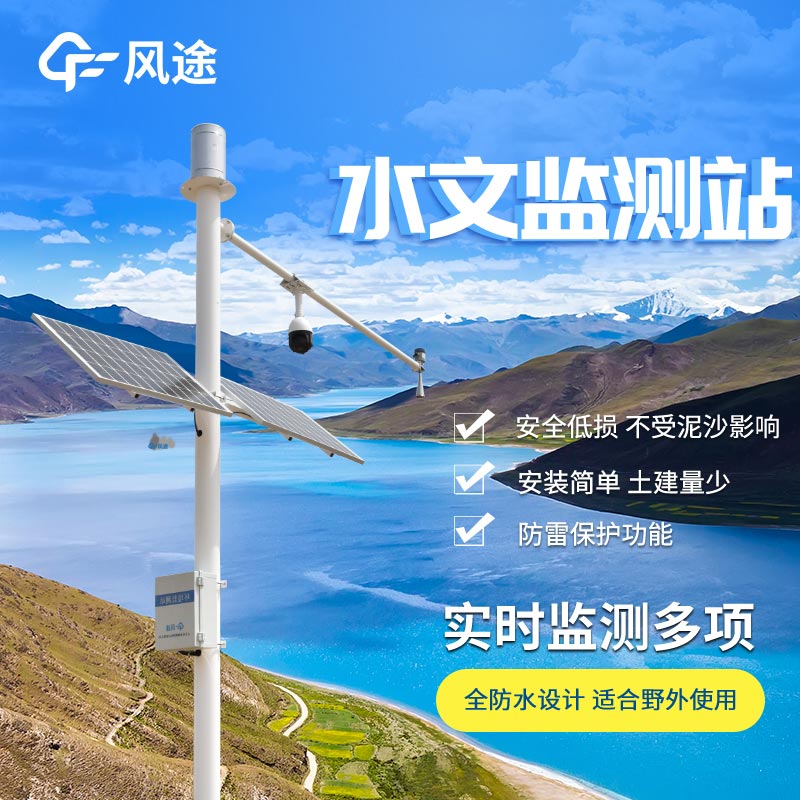
Hydrological flow monitoring equipment plays a crucial role in water conservancy work, helping us grasp the dynamics of water resources and facilitating flood control, water dispatch, and other tasks. Below is a detailed introduction to common equipment.
Water Level Monitoring Station
The battery-powered staff gauge is a basic device. Installed along riverbanks or canal edges and powered by batteries, it can operate stably for extended periods. It features a scale like a ruler inserted into the water, allowing staff to read water levels at regular intervals to understand changes. However, manual reading is inevitably affected by weather and transportation conditions, resulting in poor data timeliness.
Radar Water Level Gauge
This is a far more advanced device. Using radar technology, it emits electromagnetic waves that reflect off the water surface. By measuring the round-trip time of the waves, it calculates water level height rapidly, providing real-time data. As a non-contact device, it is immune to water flow impact and sediment interference, adapting to various environments with high data accuracy. It is widely used in major rivers and key reservoirs.
Doppler Current Velocity Meter (for Flow Measurement)
This device relies on the Doppler effect. It emits ultrasonic waves into the water flow, and the waves are reflected back by impurities and bubbles in the water. The frequency of the reflected waves changes with the flow velocity, allowing the instrument to calculate velocity based on this change. Easy to use and non-contact, it has a wide velocity measurement range, suitable for various water bodies. By combining velocity with the cross-sectional area of water flow, it calculates flow rate, making it an essential tool for many monitoring stations.
These devices are widely applied in daily monitoring and emergency responses by water conservancy departments, providing critical data support for practical tasks such as reservoir dispatch, flood early warning, and water pollution control. They serve as powerful assistants for the scientific management of water resources.
In winter, there is frequent rain and snow, and road icing seriously affects the safety of pedestrians and vehicles. To address this issue, our company has launched the Road Ice Sensor. By adopting microwave electrical signal detection technology and equipped with a temperature compensation function...
Dust particles such as PM2.5 and PM10 in airborne dust can penetrate deep into the human respiratory system, triggering respiratory diseases. Dust detectors, by real-time monitoring the concentration of dust particles in the air, provide precise data for pollution control and serve as key equipment...
A Negative Oxygen Ion Monitoring Station is a professional set of equipment used to monitor the number of negative oxygen ions in the air in real-time. It records the activity status of negative oxygen ions in the air through specific sensors, then converts these statuses into readable values via a...
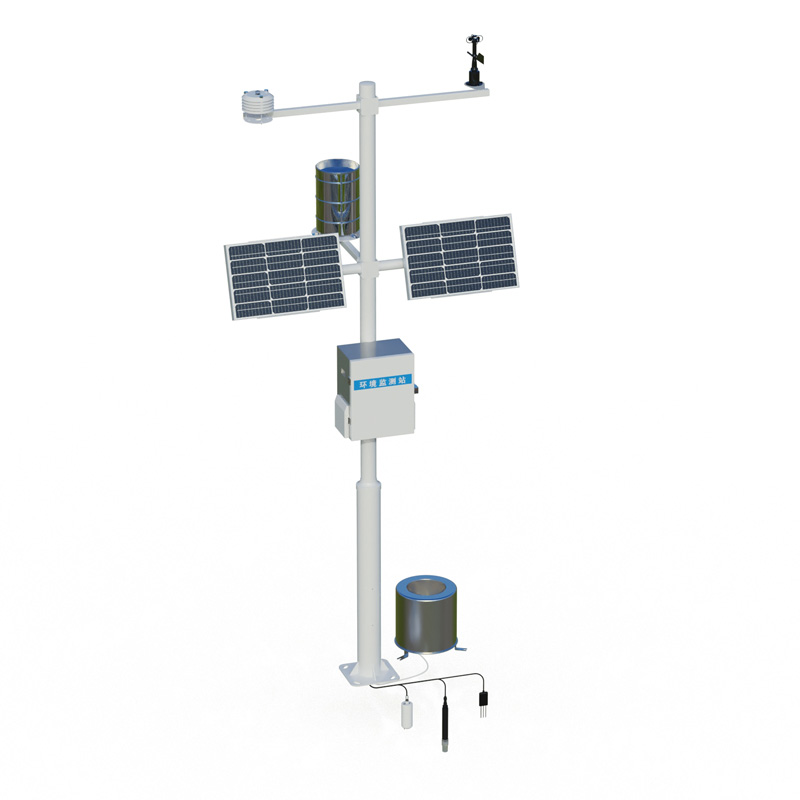
Meteorological and Environmental Monitoring Equipment is a highly integrated, low-power automated weather observation system capable of real-time monitoring of wind speed and direction, temperature and humidity, atmospheric pressure, optical rainfall, PM2.5, PM10, and various gaseous pollutant...


 Skype
Skype
 whatsapp
 mail
mail