Tianyi Sensor IOT Technology Co., Ltd
Sales Manager:Ms. Emily Wang
Cel,Whatsapp,Wechat:+86 15898932201
Email:info@fengtutec.com
Add:No. 155 Optoelectronic Industry Accelerator, Gaoxin District, Weifang, Shandong, China


Sales Manager:Ms. Emily Wang
Cel,Whatsapp,Wechat:+86 15898932201
Email:info@fengtutec.com
Add:No. 155 Optoelectronic Industry Accelerator, Gaoxin District, Weifang, Shandong, China
time:2025-08-18 08:53:00 source:Weather Station viewed:411 time
The growth of crops is closely linked to soil conditions. Harnessing the "advantages of the land" and carrying out crop cultivation in line with local conditions are core measures to increase crop yields. In agricultural production, links such as the selection of spring sowing timing, determination of fertilizer application amount, and implementation of drought-resistant measures all need to be based on accurate soil conditions. To accurately grasp soil information and assist agricultural practitioners in making scientific decisions, the Automatic Soil Monitoring System has gradually become an important tool in modern agricultural production.
Soil moisture refers to the soil humidity condition. The Automatic Soil Monitoring System can establish an efficient soil management system. This system can provide reliable decision support for fertilizer application, irrigation, and drought relief work. It effectively replaces the traditional manual monitoring method and significantly improves the efficiency and accuracy of agricultural production.
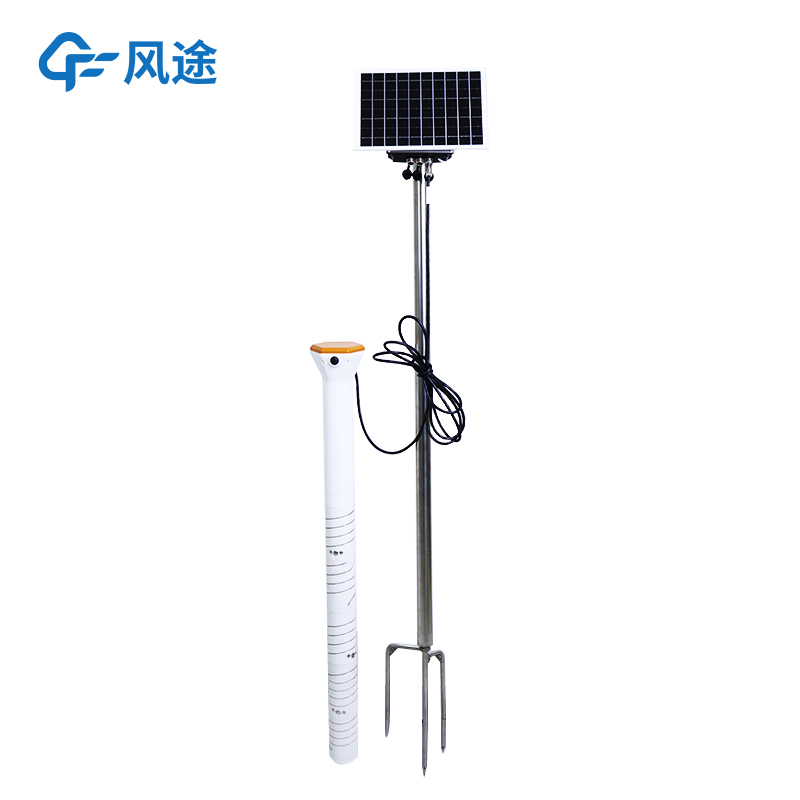
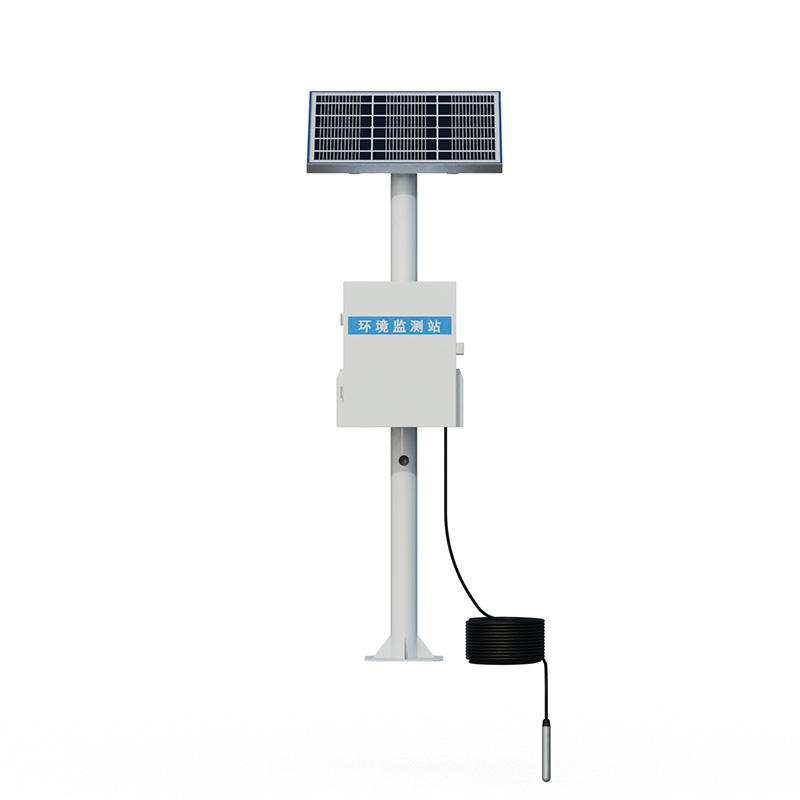
In terms of system composition, it is an automatic monitoring system that integrates soil temperature and humidity collection, transmission, storage, and management. Its core components include meteorological sensors such as soil moisture sensors, multi-channel data loggers, and soil temperature sensors, as well as a supporting software platform.
Soil moisture sensors are responsible for directly obtaining soil humidity data, while soil temperature sensors collect temperature information simultaneously. Multi-channel data loggers undertake the functions of data aggregation and preliminary processing. Through the software platform, data storage, analysis, and visual presentation can be realized, allowing users to intuitively grasp soil conditions.
In practical application scenarios, the system demonstrates strong flexibility and adaptability. Users can independently adjust the placement positions of soil moisture sensors according to the needs of different projects, such as plot scale and planted crop types, to ensure that the monitoring range covers key planting areas. By deploying sensors at different soil depths, the moisture distribution of the profile soil can be accurately measured, and the humidity differences at different soil layers can be clearly grasped, providing accurate data support for deep irrigation, root maintenance, and other activities.
In addition, with the increasing demand for environmental monitoring in agricultural production, users can flexibly add corresponding sensors according to actual monitoring objectives. Beyond the basic monitoring of soil temperature and humidity, the system can be expanded to monitor soil physical and chemical indicators such as soil electrical conductivity and soil pH value, as well as groundwater resource information including groundwater level and groundwater quality. At the same time, meteorological data such as air temperature, air humidity, light intensity, wind speed and direction, and rainfall can be incorporated to form a comprehensive agricultural environmental monitoring network. This fully meets the needs of system function upgrading and provides more comprehensive data support for the refined management of modern agriculture.
In the complex and unpredictable rescue environment, firefighters often face numerous challenges. Tasks such as underwater rescue and the inspection of waterlogged areas at fire scenes have become difficult aspects of rescue work due to the interference of water bodies and insufficient light. The em...
In terms of application value, the popularization of integrated dust monitoring sensors like the FT-WQX8 is transforming traditional environmental monitoring models. In the past, single-parameter monitoring devices required separate deployment and maintenance. Not only did this result in high initia...
Water rescue robot is a novel, flat-panel, modular rescue device. It features a split-structure design—comprising an upper power module and a lower section made of soft, anti-collision buoyant material—and is capable of automatically righting itself if capsized. With a top speed of 48 km/h a...
Water Rescue Equipment refers to a remotely controlled lifebuoy. Controlled wirelessly, it is powered by four ducted propulsion units, achieving an unloaded speed of 27 km/h. It supports one-key return and automatic return upon loss of contact, making it suitable for rescue operations in river...


 Skype
Skype
 whatsapp
 mail
mail