Tianyi Sensor IOT Technology Co., Ltd
Sales Manager:Ms. Emily Wang
Cel,Whatsapp,Wechat:+86 15898932201
Email:info@fengtutec.com
Add:No. 155 Optoelectronic Industry Accelerator, Gaoxin District, Weifang, Shandong, China


Sales Manager:Ms. Emily Wang
Cel,Whatsapp,Wechat:+86 15898932201
Email:info@fengtutec.com
Add:No. 155 Optoelectronic Industry Accelerator, Gaoxin District, Weifang, Shandong, China
time:2025-09-02 09:12:26 source:Weather Station viewed:337 time
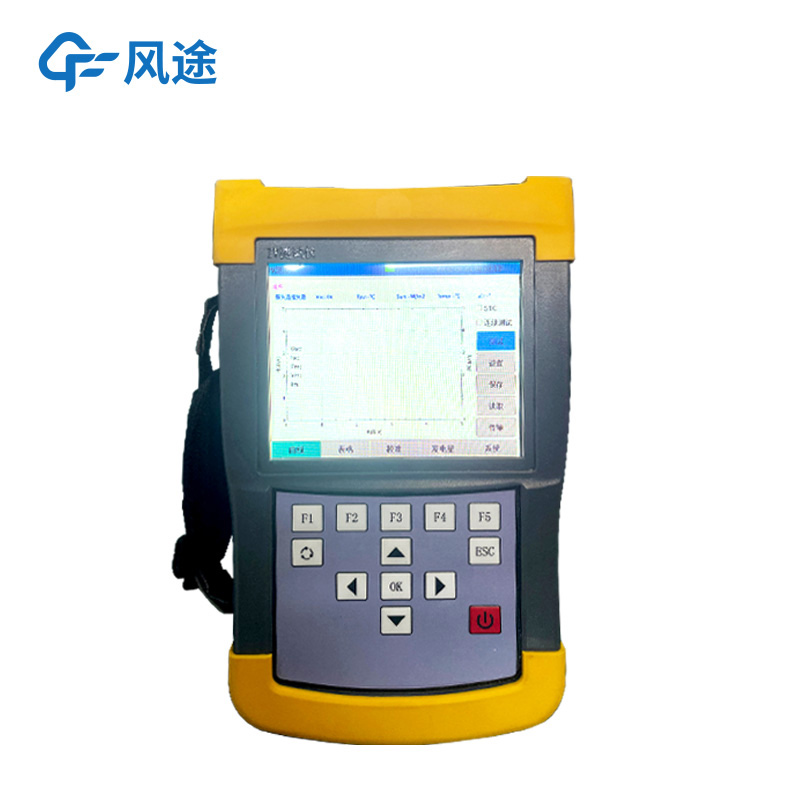
The Portable IV Curve Tester is a professional device used to measure the performance of photovoltaic (PV) cells. Its core testing purpose is to accurately evaluate key performance parameters of PV cells, such as conversion efficiency and output power, by obtaining the current-voltage (I-V) characteristic curve of the cells under different light and temperature conditions. This provides an important basis for judging the performance of PV cells.
In terms of testing principles, the Portable IV Curve Tester conducts tests based on the photoelectric effect and circuit analysis. Specifically, the photoelectric effect manifests as the absorption of photon energy by the cell sheet, which is then converted into electron energy. This energy drives the migration and flow of electrons inside the material, thereby generating an electric current. In actual testing, the instrument often adopts the variable load method (also known as the scanning method). It uses a flash lamp to simulate sunlight irradiation and gradually adjusts the light intensity to a set value (usually 1000W/㎡). During this process, it real-time measures the current and voltage output by the PV module, and finally generates the IV characteristic curve.
From the IV characteristic curve generated by the Portable IV Curve Tester, a number of key parameters of the PV module can be clearly obtained. For example, the short-circuit current (ISC) can reach 14.491A, the open-circuit voltage (VOC) is 51.705V, the maximum power current (IPM) is 14.235A, the maximum power voltage (VPM) is 41.559V, and the maximum power (PMAX) is 591.63W.
In the production process of PV modules, the IV test conducted with the Portable IV Curve Tester is a crucial part of the module factory inspection. This test can directly reflect core performance indicators of the module, such as power and efficiency. At the same time, based on the IV data obtained from the test, the quality of the module packaging can also be judged. In actual production scenarios, under normal circumstances, the proportion of modules with power reaching 590W or above in one production shift is approximately 80%. If this proportion suddenly drops to 60%, staff can use the Portable IV Curve Tester to quickly conduct tests and data analysis, promptly identify abnormal issues in the production line, conduct in-depth analysis of the causes of the abnormalities, and adjust the production line accordingly. This ensures the stability of the production line's packaging process and guarantees that the quality of PV module products meets the standards.
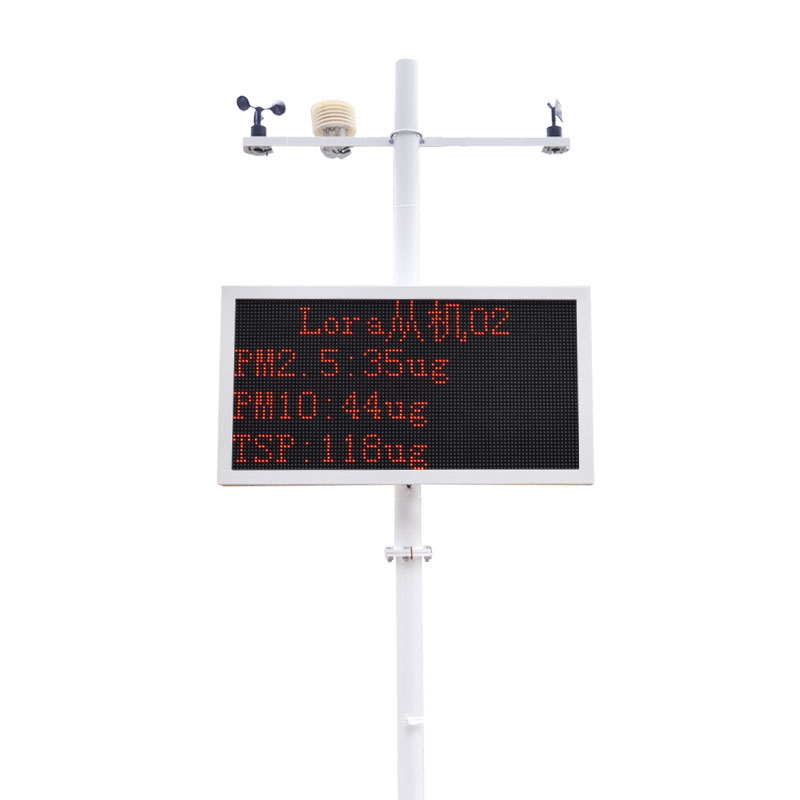
Air quality monitoring stations for road traffic primarily aim to conduct real - time monitoring of air quality in traffic - intensive areas. They integrate data from environmental monitoring networks, meteorological parameters, and vehicle - related information. By doing so, these stations analyze...
Water rescue robot is a novel, flat-panel, modular rescue device. It features a split-structure design—comprising an upper power module and a lower section made of soft, anti-collision buoyant material—and is capable of automatically righting itself if capsized. With a top speed of 48 km/h a...
COD Analyzer employs the dichromate method to determine the Chemical Oxygen Demand (COD) in water bodies. Its measurement range covers selectable options of 0–200 mg/L, 0–500 mg/L, and 0–1000 mg/L. The indicated value error is ≤ ±3%, the detection limit is 10 mg/L, and the repeatability i...
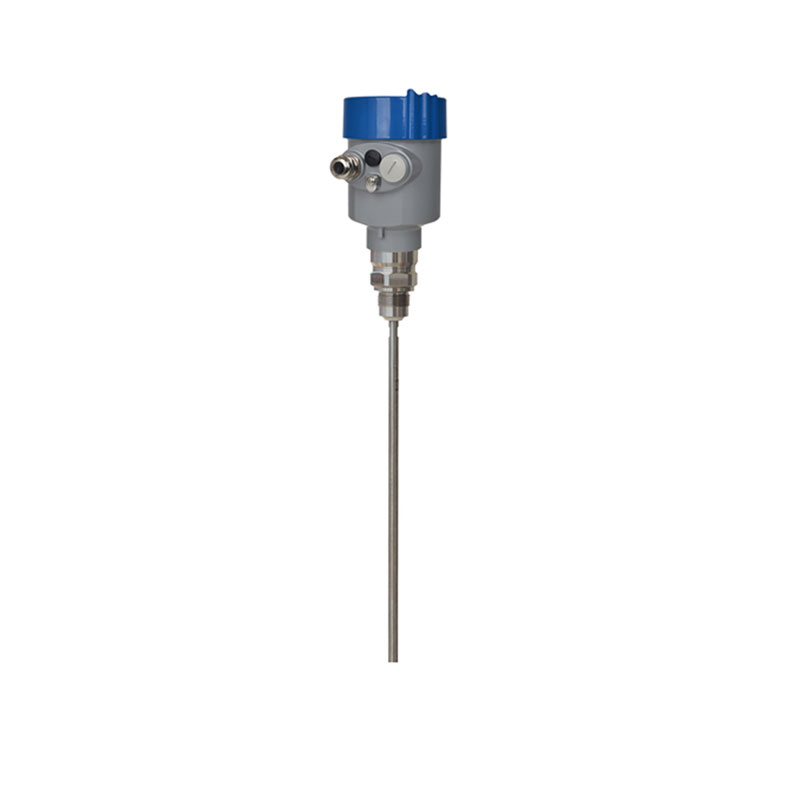
Radar water level gauges utilize K-band planar radar technology to perform non-contact measurements of water levels and rainfall. With a measurement range of 0.1 to 40 meters, an accuracy of ±5 mm, and a resolution of 1 mm, these devices are widely deployed in water conservancy monitoring fie...


 Skype
Skype
 whatsapp
 mail
mail