Tianyi Sensor IOT Technology Co., Ltd
Sales Manager:Ms. Emily Wang
Cel,Whatsapp,Wechat:+86 15898932201
Email:info@fengtutec.com
Add:No. 155 Optoelectronic Industry Accelerator, Gaoxin District, Weifang, Shandong, China


Sales Manager:Ms. Emily Wang
Cel,Whatsapp,Wechat:+86 15898932201
Email:info@fengtutec.com
Add:No. 155 Optoelectronic Industry Accelerator, Gaoxin District, Weifang, Shandong, China
time:2025-10-09 08:56:21 source:Weather Station viewed:348 time
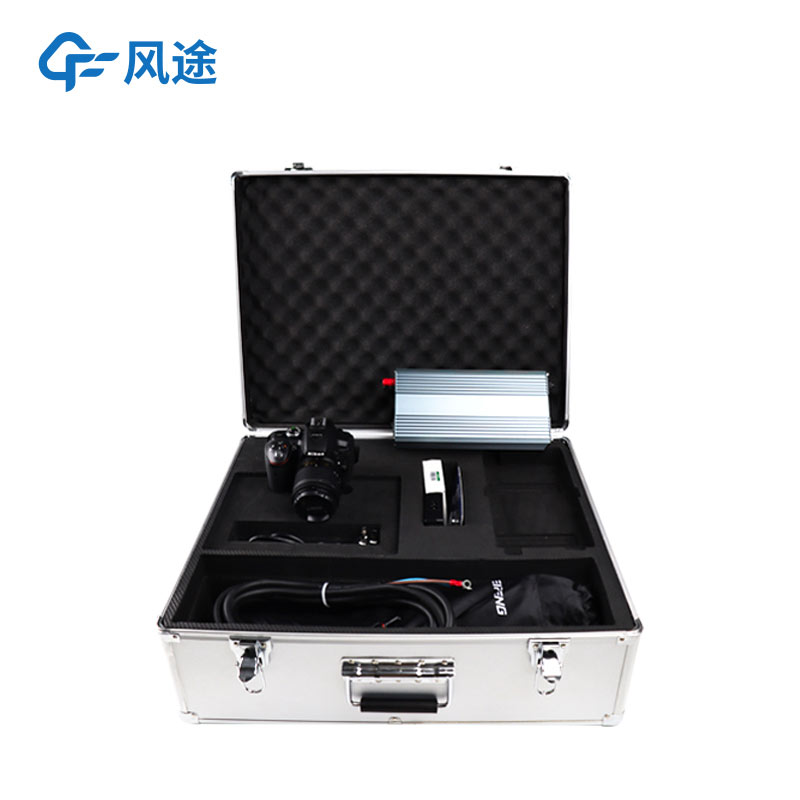
In the photovoltaic industry, requirements for module quality and reliability are becoming increasingly stringent. Traditional inspection methods cannot effectively identify internal defects, making EL (Electroluminescence) defect detection technology an indispensable quality control tool in photovoltaic manufacturing and operation.
EL detectors operate based on the principle of electroluminescence: when a forward bias voltage is applied to crystalline silicon solar cells, carrier recombination emits near-infrared light. The system captures these light signals through a high-sensitivity infrared camera to generate images reflecting the internal state of the module. Defective areas appear as dark regions, dark spots, or dark lines.
Detection content includes:
Microcracks and cracks, appearing as linear or irregular dark lines
Broken grids and cold solder joints, appearing as discontinuous dark lines or local brightness attenuation
Black heart cells, showing concentric circular dark areas spreading from center to edge
Short-circuited black cells, appearing as completely black cells in imaging
PID effect, characterized by darkening at the edges
Portable EL detectors feature lightweight, modular designs, generally weighing less than 5 kilograms, equipped with foldable stands, wireless transmission modules, and portable power supplies, suitable for on-site inspection and mobile work scenarios. In photovoltaic power plant construction, portable EL detectors are widely used for component acceptance testing to ensure component quality meets standards before installation. During power plant operation and maintenance, operators can directly inspect installed components on the mounting racks without disassembly, enabling rapid localization of problematic components. Modern portable EL detectors are often equipped with high-resolution infrared cameras of 24 million pixels or higher, with imaging precision reaching 0.1mm/pixel. Combined with wireless control and real-time imaging capabilities, they can inspect 800-1000 modules per day, significantly improving on-site inspection efficiency.
Rain And Snow Gauge is a high-precision precipitation monitoring device utilizing weighing and Internet of Things (IoT) technology. It can monitor all types of precipitation, including rain and snow, and is specifically designed for meteorological observation and environmental monitoring....
What are the negative oxygen ion monitors? One is a detector suitable for scenic spots, and the other is a handheld negative ion detector.For the negative ion detector in scenic spots, the FT-FZ1 Scenic Air Negative Oxygen Ion Monitor can be selected. This monitor can monitor the concentration of ne...
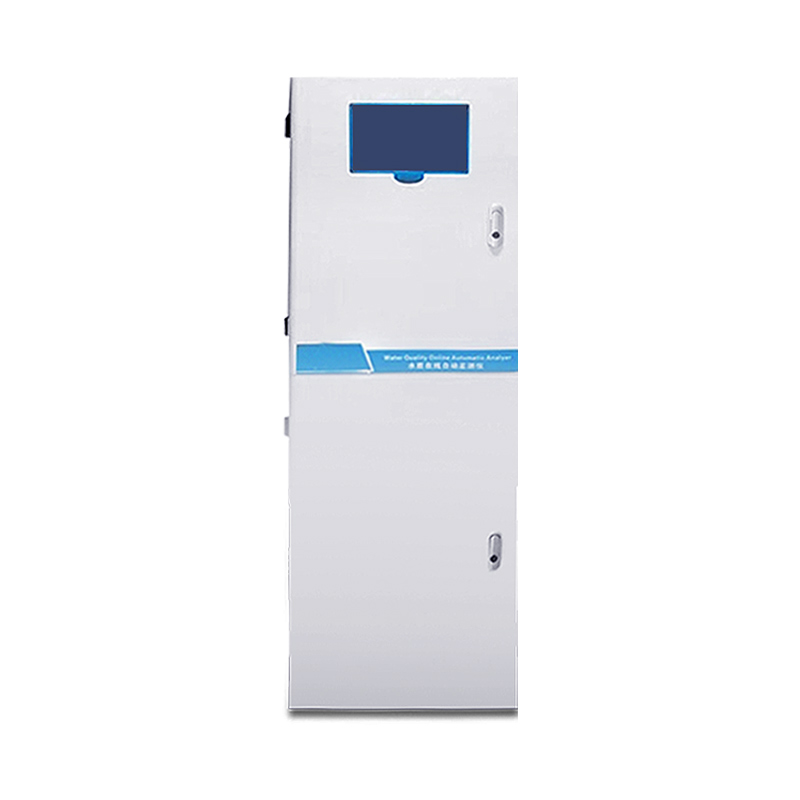
Water Quality Monitor Equipment consists of an analytical testing unit comprised of sensors for residual chlorine, pH, water temperature, turbidity, and conductivity. It can be widely used for online water quality monitoring in scenarios such as waterworks, water supply networks, secondary water sup...
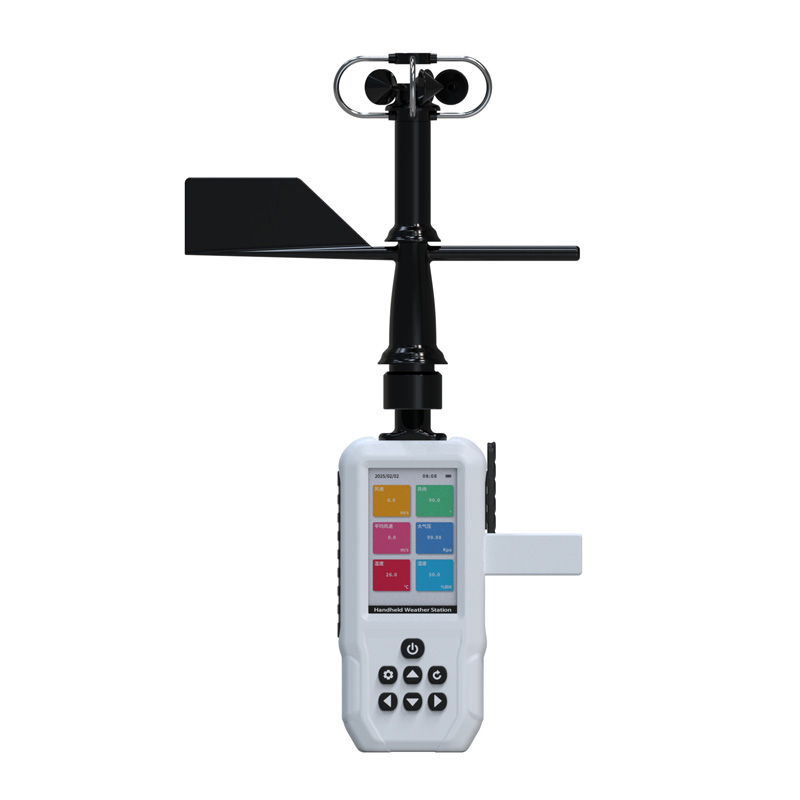
Anemometer sensors are categorized into two main types based on their operating principles: mechanical and ultrasonic. Mechanical sensors feature structures such as wind cups or propellers, while ultrasonic sensors rely on the time-of-flight method for measurement. Different models are suited...


 Skype
Skype
 whatsapp
 mail
mail