Tianyi Sensor IOT Technology Co., Ltd
Sales Manager:Ms. Emily Wang
Cel,Whatsapp,Wechat:+86 15898932201
Email:info@fengtutec.com
Add:No. 155 Optoelectronic Industry Accelerator, Gaoxin District, Weifang, Shandong, China


Sales Manager:Ms. Emily Wang
Cel,Whatsapp,Wechat:+86 15898932201
Email:info@fengtutec.com
Add:No. 155 Optoelectronic Industry Accelerator, Gaoxin District, Weifang, Shandong, China
time:2026-04-01 11:13:31 source:Weather Station viewed:180 time
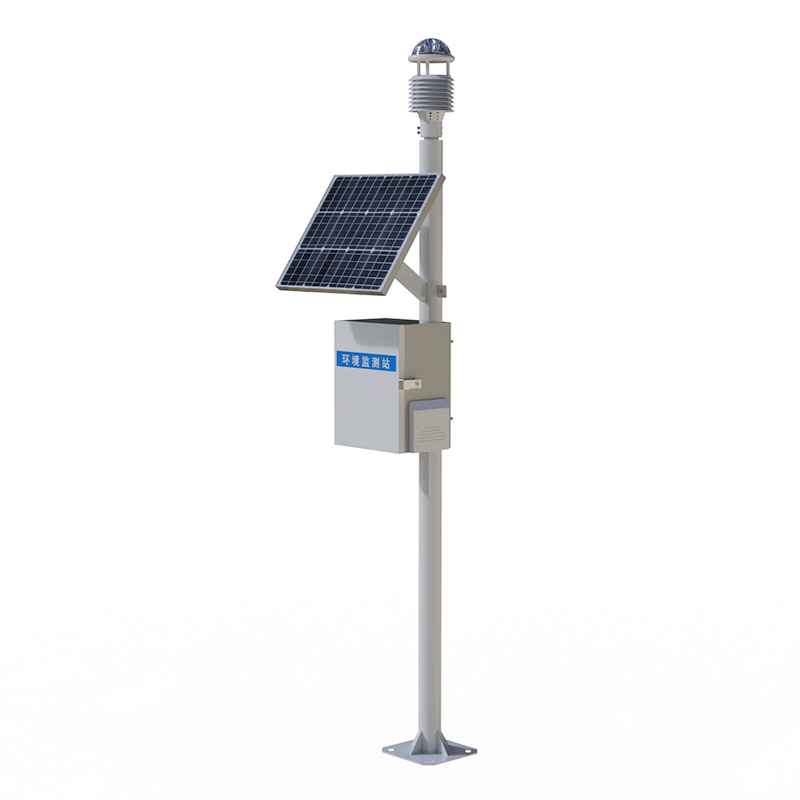
Meteorological and Environmental Monitoring Equipment is a highly integrated, low-power automated weather observation system capable of real-time monitoring of wind speed and direction, temperature and humidity, atmospheric pressure, optical rainfall, PM2.5, PM10, and various gaseous pollutants. It facilitates 24-hour continuous online monitoring and is widely applied across fields such as meteorology, agriculture, environmental protection, and forestry.
Meteorological and Environmental Monitoring Equipment is a highly integrated, low-power, and rapidly deployable high-precision automated weather observation system designed specifically for field monitoring applications. The device integrates a suite of meteorological and environmental sensors into a single unit, enabling real-time observation of parameters such as wind speed, wind direction, temperature, humidity, atmospheric pressure, optical rainfall, PM2.5, PM10, carbon monoxide, nitrogen dioxide, sulfur dioxide, and ozone. This allows for 24-hour continuous online monitoring of outdoor meteorological conditions. Featuring a compact, all-in-one structural design, the device requires only simple pole mounting at the installation site to become operational, eliminating the need for complex wiring or calibration procedures.
Regarding sensor configuration, wind speed and direction are measured using ultrasonic principles; as there are no mechanical moving parts, the system operates maintenance-free. The temperature and humidity sensors are housed within a radiation shield to prevent solar radiation from compromising measurement accuracy. The atmospheric pressure sensor utilizes a high-precision MEMS chip, making it suitable for meteorological observations across a wide range of altitudes. Rainfall measurement employs optical principles: by detecting changes in light intensity as raindrops pass through a light beam, the system calculates rainfall intensity and cumulative precipitation. This design eliminates the need for mechanical tipping buckets, thereby preventing clogging issues. The particulate matter sensors utilize laser scattering principles to simultaneously output concentration values for both PM2.5 and PM10. Additionally, electrochemical sensors are employed to independently detect the concentrations of carbon monoxide, nitrogen dioxide, sulfur dioxide, and ozone.
Meteorological and Environmental Monitoring Equipment features a low-power design with a standby power consumption of less than 0.5 watts. It is equipped with a solar power supply system—comprising solar panels and a rechargeable battery—capable of sustaining normal operation for 7 to 15 days, even under continuous overcast or rainy conditions. The integrated data logger manages sensor signal processing, data storage, and communication control; featuring ample storage capacity, it can retain at least 30 days' worth of data in the event of a communication interruption. The device supports a variety of communication methods—including 4G All-Netcom, LoRa, and RS485—allowing users to select the most suitable data transmission method based on on-site network conditions. Data is uploaded to a cloud platform via a wireless network, enabling users to monitor the real-time values and trends of various meteorological parameters via a computer or mobile app.
Meteorological and Environmental Monitoring Equipment is widely applied in fields such as meteorological observation, agricultural meteorology, forestry ecology, environmental air quality monitoring, marine meteorology, weather support for airports and ports, scientific expeditions, and campus education. By providing data on current meteorological conditions and trends, the device assists users in forecasting weather changes, thereby offering essential data support for agricultural production, environmental management, transportation, and disaster early warning systems. In practical applications across various scenarios—including meteorological stations, agricultural parks, ports and terminals, and campus science education centers—the device effectively addresses the technical requirements for continuous outdoor meteorological monitoring, distinguished by its high level of integration, low power consumption, and rapid deployment capabilities.
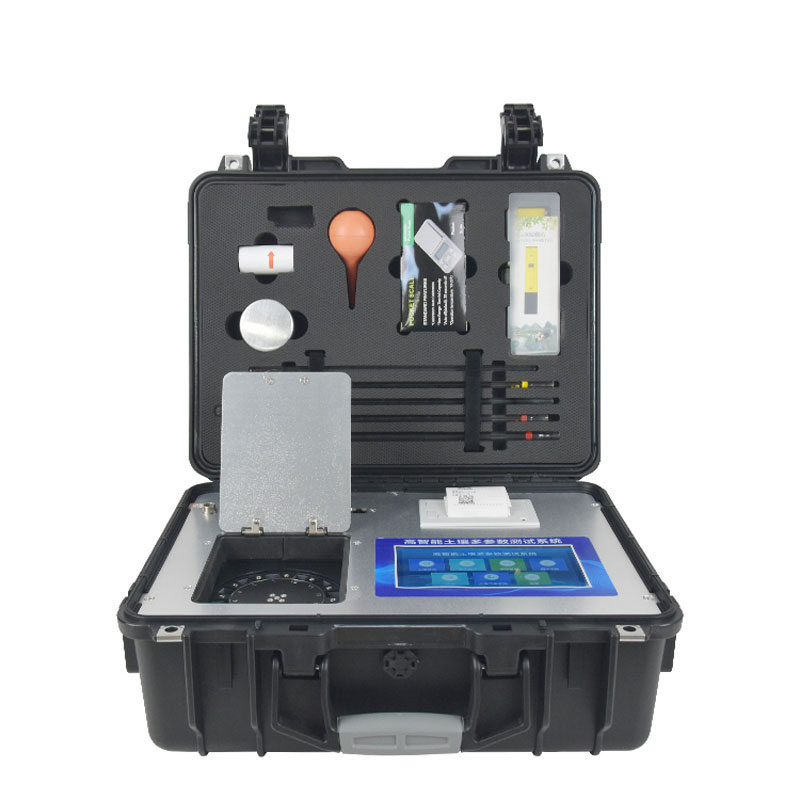
The COD Analyzer is a professional instrument that uses the potassium dichromate spectrophotometric method to determine the chemical oxygen demand (COD) of water. It is suitable for online monitoring of surface water, groundwater, industrial wastewater, and domestic sewage. The instrument complies with current environmental protection standards and can accurately detect the COD index of various water bodies, providing reliable data support for water quality assessment....
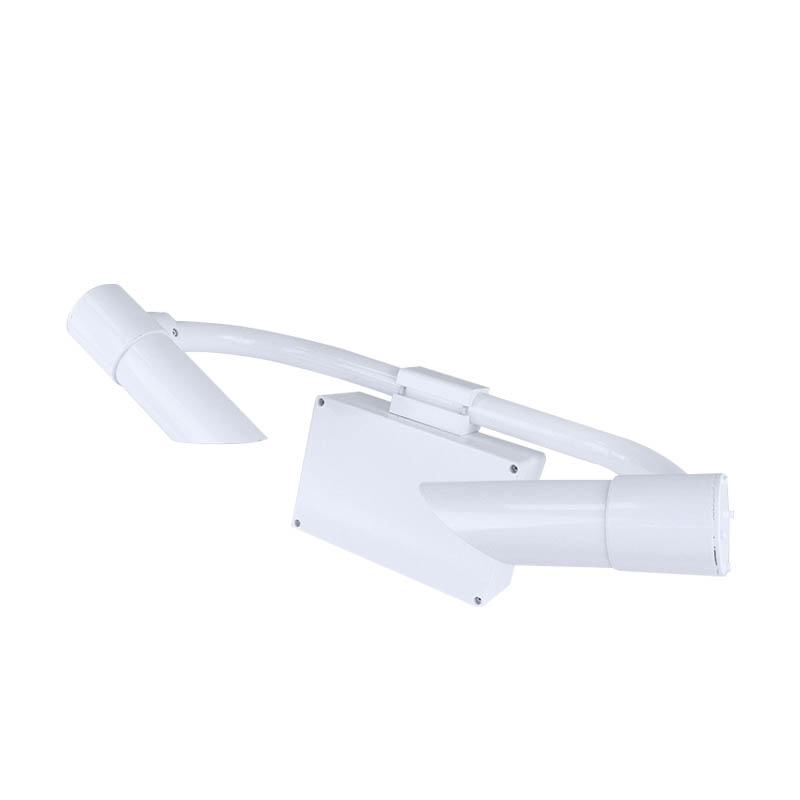
Employing 24GHz Doppler radar technology, the radar rain gauge measures the falling velocity of raindrops through a small flat-panel radar module. It can distinguish between rain, snow, and hail, as well as rainfall intensity. With no moving parts and requiring no maintenance, it is suitable f...
Visibility detector uses forward scattering to measure the total extinction coefficient of air and calculate current visibility. It can identify weather phenomena such as fog, rain, snow, mixed precipitation, and clear skies, with a recognition rate of no less than 95%. It is suitable for indu...
A soil moisture monitoring system is a comprehensive station that conducts real-time monitoring of soil moisture and related environmental parameters. Equipped with high-precision sensors, it adopts technologies such as Frequency Domain Reflectometry (FDR) and Time Domain Reflectometry (TDR) to accu...


 Skype
Skype
 whatsapp
 mail
mail