Tianyi Sensor IOT Technology Co., Ltd
Sales Manager:Ms. Emily Wang
Cel,Whatsapp,Wechat:+86 15898932201
Email:info@fengtutec.com
Add:No. 155 Optoelectronic Industry Accelerator, Gaoxin District, Weifang, Shandong, China


Sales Manager:Ms. Emily Wang
Cel,Whatsapp,Wechat:+86 15898932201
Email:info@fengtutec.com
Add:No. 155 Optoelectronic Industry Accelerator, Gaoxin District, Weifang, Shandong, China
time:2025-05-23 09:56:59 source:Weather Station viewed:371 time
As a key device in modern meteorological monitoring, one of the primary advantages of the wireless Small Automatic Weather Station is its adoption of wireless data transmission technology.
1. Freedom from Wired Infrastructure Limitations
Traditional wired weather stations are constrained by cabling, but the wireless Small Automatic Weather Station overcomes this hurdle. In challenging terrains such as remote mountainous regions, oceans, or deserts, laying communication cables is not only extremely difficult but also costly. By utilizing wireless communication technologies like GPRS and LoRa, this station enables seamless long-distance data transmission without the need for complex cable installation. This drastically reduces the construction complexity and costs of weather stations, allowing them to be widely deployed in inaccessible areas and effectively filling gaps in meteorological monitoring networks.
2. High Flexibility and Scalability
Meteorological monitoring requirements vary across geographies, seasons, and research objectives. The wireless Small Automatic Weather Station offers unmatched flexibility, allowing rapid and agile deployment or reconfiguration in different locations. For instance, to set up temporary monitoring at large outdoor events or field research sites, users can simply transport the device to the target location and activate it. Furthermore, when new monitoring parameters need to be added or integration with other devices is required, adjustments can be made through software configuration and wireless communication optimization—no complex rewiring is necessary. This adaptability makes it ideal for dynamic application scenarios.
3. Real-Time and Stable Data Transmission
Timeliness is critical for meteorological data, particularly in weather forecasting and disaster early warning. Wireless communication technologies ensure that data collected by the station—including temperature, humidity, air pressure, wind speed, and wind direction—is transmitted to meteorological data centers in real-time or near-real-time. This instantaneous data flow enables prompt analysis and decision-making, enhancing the effectiveness of weather-related predictions and emergency responses.
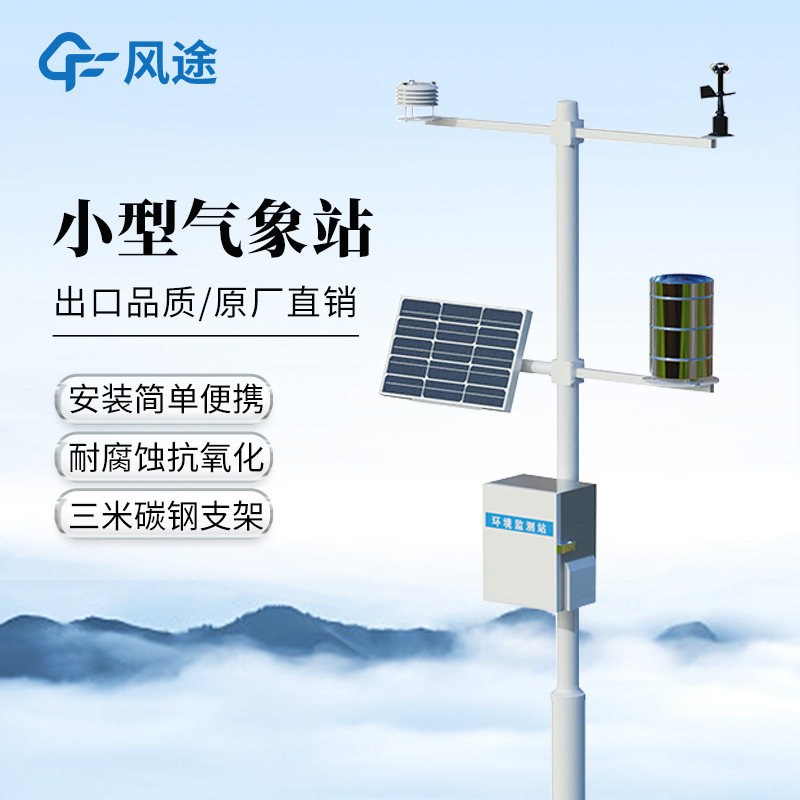
The core advantage of the Wireless Weather Station lies in its integrated composite meteorological sensor. This key component can accurately measure various meteorological parameters, effectively meeting application needs in different scenarios and providing reliable support for obtaining meteorolog...
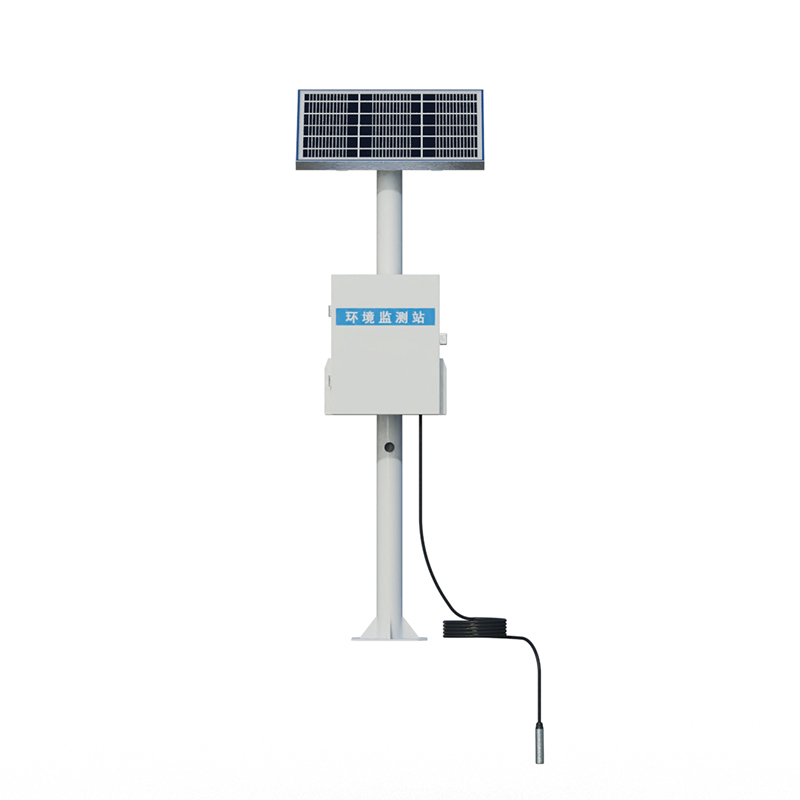
The hand-held radar current meter works based on the Doppler effect principle. The radar probe of the instrument emits 24GHz microwave signals, which will be reflected when they hit the flowing water surface. Since the water surface is in a flowing state, the frequency of the reflected signals will...
Explosion - proof weather stations are meteorological monitoring devices specifically designed to operate in hazardous environments. With the development of industries such as manufacturing, military, and chemical, the demand for explosion - proof weather stations has been growing steadily. The main...
Piezoelectric rain gauges use a PVDF piezoelectric film as the rain-sensing device and an embedded AI neural network to distinguish raindrop signals, avoiding false triggering caused by interference from sand, dust, vibration, etc. The device features a fully solid-state integrated design with...


 Skype
Skype
 whatsapp
 mail
mail